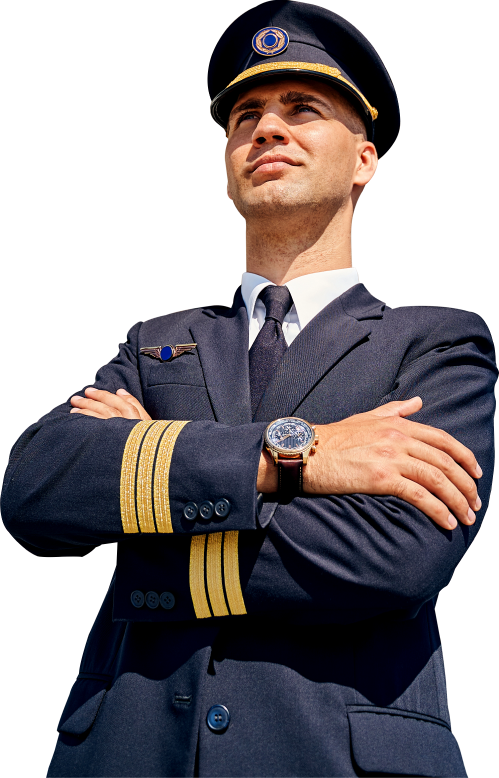
Obtaining a commercial pilot license is one of the most significant turning points in your aviation career if you want to fly commercial aircraft and work for an airline. A Commercial Pilot Licence (CPL) opens opportunities for careers with domestic and international airlines, freight operators, charter firms, and corporate aviation by allowing you to fly aircraft for pay or hire.
Even though the procedure may appear complicated at first, it becomes much simpler when divided into manageable phases. If you’re wondering how to become a pilot in India, every step, from fulfilling the medical and educational requirements to finishing flying hours, passing DGCA exams, and getting your license, is intended to get you ready for the duties of a professional pilot.
Everything you need to know to get a commercial pilot license in India is included in this guide, including eligibility, training requirements, costs, and the step-by-step licensing process.
What is a Commercial Pilot License (CPL)?
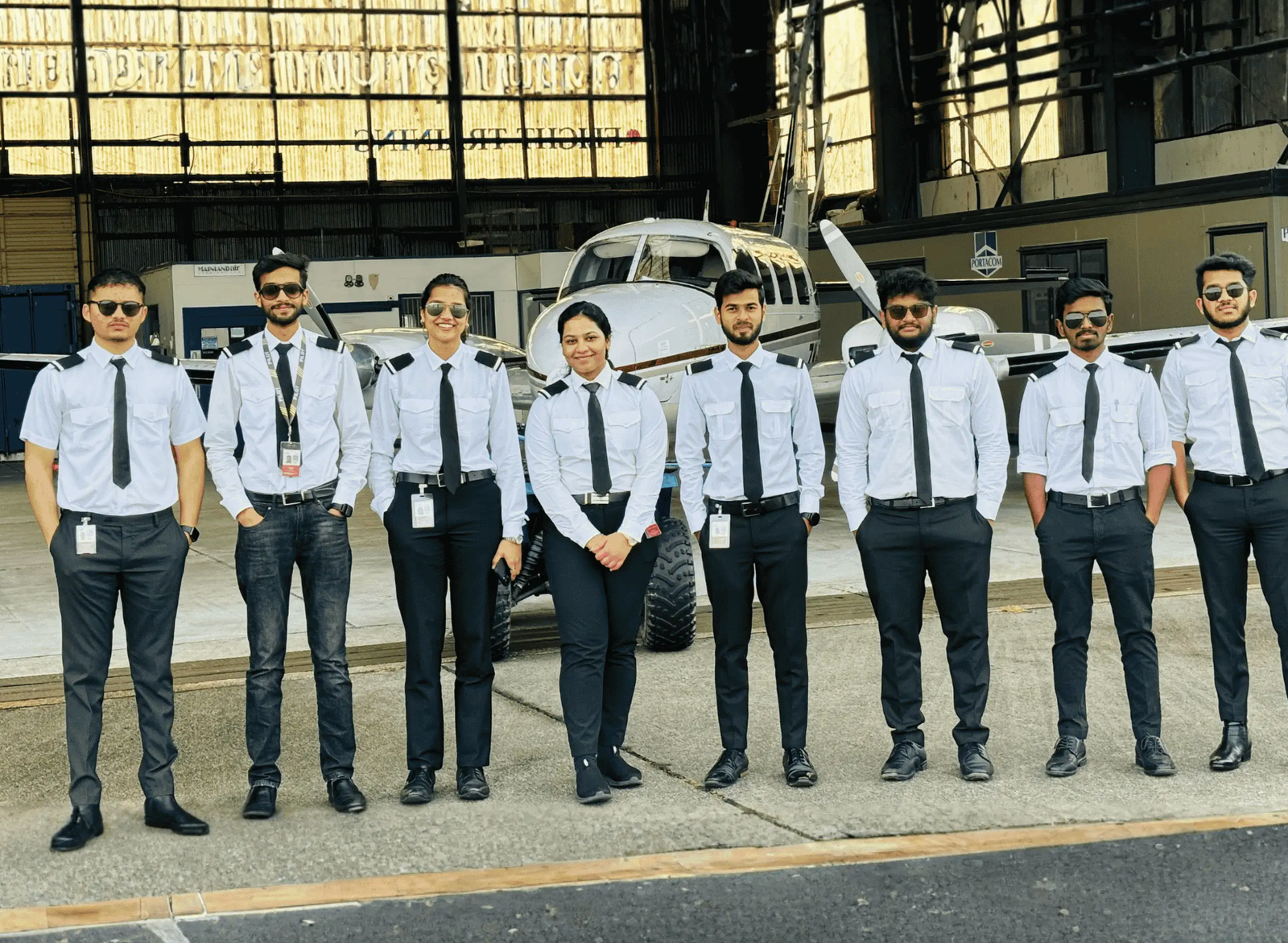
The Directorate General of Civil Aviation (DGCA) issues commercial pilot licenses, which are professional licenses that permit pilots to operate aircraft for profit.
A CPL allows pilots to make money by operating aircraft for airlines, charter operators, freight businesses, flight schools, and other aviation organisations, in contrast to a Private Pilot Licence (PPL), which only permits non-commercial flying.
A CPL certifies that a pilot has completed the theoretical instruction, real-world flight experience, and skill evaluations required to operate aircraft safely and competently.
Why Do You Need a Commercial Pilot License?
Anyone who wants to work in aviation must have a CPL.
You cannot lawfully work as a commercial airline pilot or get paid for flying if you do not have a CPL.
Careers like these require a CPL:
- First Officer of an Airline
- Captain of a commercial airline (after experience)
- Corporate Pilot, Charter Pilot, Cargo Pilot, and Flight Instructor (subject to additional ratings)
- Pilot for Aerial Survey
Obtaining a CPL is the cornerstone of a professional aviation career for the majority of prospective airline pilots.
Commercial Pilot License Requirements
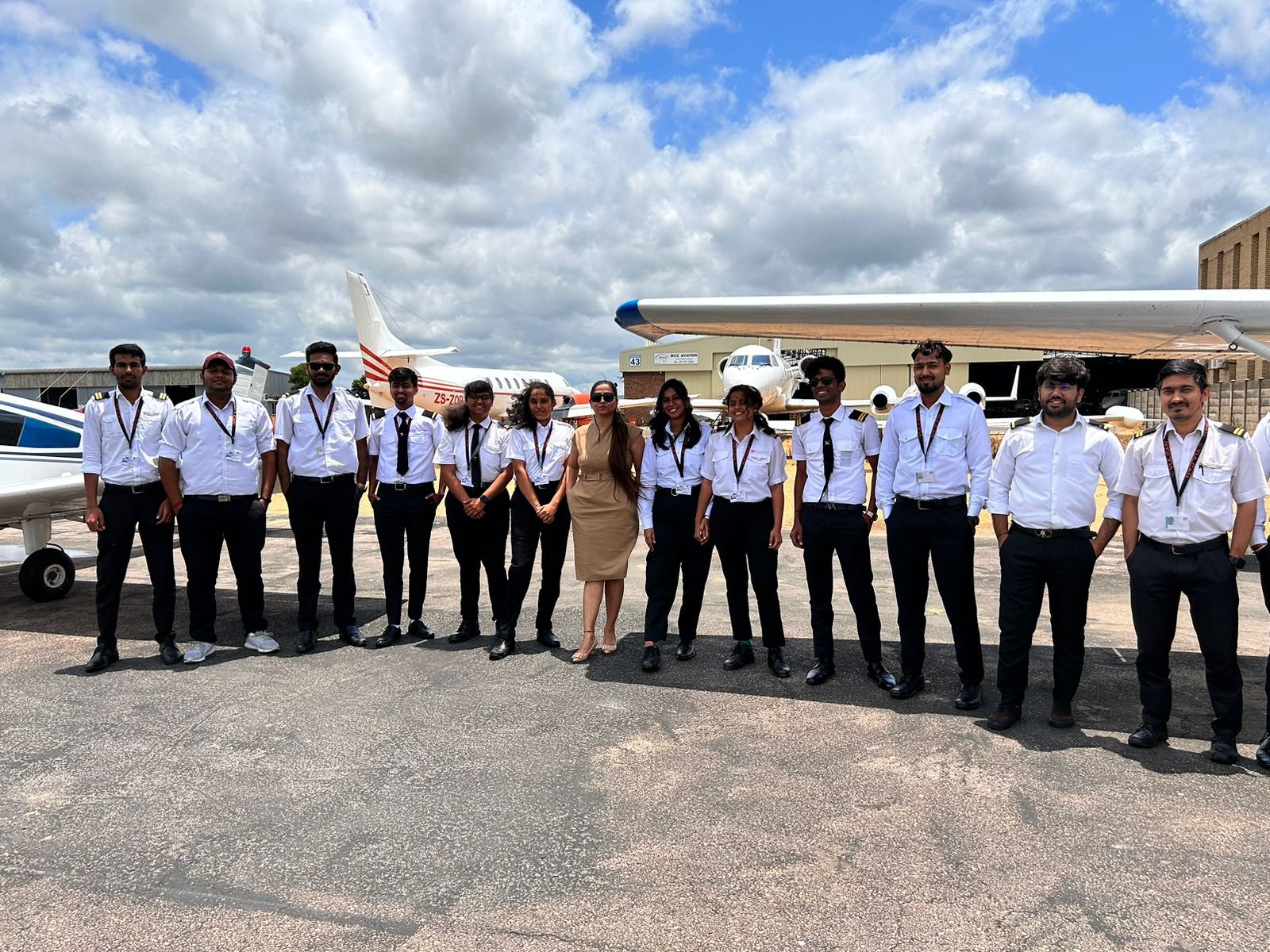
It’s critical to understand the pilot eligibility requirements in India before starting flight instruction.
In general, applicants ought to:
- To receive a CPL, you must be at least 18 years old.
- Finish 10+2 with mathematics and physics (or a recognised substitute).
- possess a current DGCA Class 1 Medical Certificate
- Pass the required DGCA theory exams.
- Finish the necessary flight hours.
- Pass the CPL skill exam with success.
- Meet the requirements for English language proficiency
These are the fundamental commercial pilot license requirements in India, while specific flight schools may have different requirements.
Step 1: Meet the Educational Requirements
Making sure you fulfil the necessary educational requirements is the first step in getting a CPL.
In general, candidates should have finished:
- Class 12 (10+2) or a comparable degree
- English, mathematics, and physics
Through approved open schooling or comparable programs approved by the DGCA, students who did not study mathematics and physics in school can finish these topics.
You can start professional flying training if you fulfil these academic prerequisites.
Step 2: Complete DGCA Medical Examinations
One of the most crucial requirements for aspiring pilots is meeting the DGCA medical requirements and proving that they are medically fit to operate an aircraft safely.
There are typically two steps in the process:
Medical Class 2
Before enrolling in a flying academy, one must often pass the Class 2 Medical exam.
It evaluates:
- Vision for general health
- Hearing
- Blood pressure
- Medical background
Medical Class 1
Candidates must pass the DGCA Class 1 Medical exam to receive a CPL.
This thorough evaluation assesses:
- Heart health
- Standards of vision
- Ability to hear
- Health of the nervous system
- Urine and blood tests
- Total level of physical fitness
Commercial pilots must frequently renew their medical certificates; thus, maintaining their health throughout their profession is crucial.
Step 3: Obtain a DGCA Computer Number
Candidates must receive a DGCA Computer Number before taking the DGCA theory exams.
Throughout the licensing procedure, this distinct identifying number is used and is necessary for:
- Enrolling in tests
- Monitoring test outcomes
- Making a license application
- Keeping track of pilot records
When requesting a Computer Number through the DGCA system, applicants must confirm their identity and educational records.
Step 4: Choose a DGCA-Approved Flying Training Organisation (FTO)
One of the most crucial choices you’ll make in your aviation career is choosing the right flight school and pilot training courses in India. If you are wondering, ‘How to find a commercial pilot license near you?’, the first thing you have to do is look for academies
When assessing academies, take into account:
- DGCA clearance
- size of the fleet
- Availability of instructors
- Record of safety
- Quality of ground schools
- Maintenance of aircraft
- Infrastructure
- Reviews by students
- Placement assistance
You can finish training quickly and without needless delays with the assistance of a well-run institution.
Before enrolling, make sure the academy has received DGCA approval.
Step 5: Complete Ground School
The theoretical knowledge needed both before and during flying instruction is provided through DGCA pilot ground classes.
Typically, students study topics like:
- Air Navigation
- Aviation Meteorology
- Air Regulations
- General Technical
- Technical Specific
- Aircraft Systems
- Fundamentals of Flight Planning
- Human Performance
Students are prepared for both practical flying and DGCA exams at ground school.
To guarantee that students advance steadily, several schools combine flying instruction with ground instruction.
Step 6: Pass DGCA Theory Examinations
Before being granted a license, all prospective commercial pilots must complete the required DGCA exams.
Typical topics include:
- Air Navigation
- Air Regulations
- Aviation Meteorology
- Technical General
- Technical Specific
- Radio Telephony (where applicable)
These tests evaluate a student’s comprehension of operating procedures and aviation theory.
Candidates can pass the tests without needless delays if they continuously prepare during ground school.
One of the most crucial commercial pilot license requirements is passing these exams.
Step 7: Complete Flying Training
The primary requirement for obtaining a license is practical flight instruction.
Under the guidance of qualified flight instructors, students progressively acquire the abilities needed to fly aircraft on their own.
Typical training consists of:
- Dual instruction
- Solo flying
- Cross-country navigation
- Instrument flying
- Night flying
- Emergency procedures
- Radio communication
- Flight planning
Simulator training can also complement practical flight training by helping students practise procedures and respond to different flight scenarios in a controlled environment.
Candidates must fulfil the DGCA’s minimum flying experience requirements, which include the necessary total flight hours and particular training activities, to be eligible for a CPL.
Depending on the weather, aircraft availability, instructor scheduling, and student development, flying training typically takes several months.
Step 8: Obtain the Radio Telephony Restricted (RTR) Licence
A Radio Telephony Restricted (RTR) Licence is required for prospective commercial pilots in India, in addition to flying training and DGCA exams. This licence attests to a pilot’s ability to use conventional aviation phraseology to effectively communicate with Air Traffic Control (ATC).
The RTR exam is conducted by the DGCA and includes the following:
- A written assessment
- A viva, or practical oral examination
People who have completed flight training in India have to sit for the RTR written exam. They will be given a DGCA computer number to apply for the exam. The passing marks are 70%. After passing the written exam, they have 3 attempts in 3 years to complete the oral exam. The passing marks for oral exams are 50%. After they have exhausted all attempts, they need to appear for the written exam again.
People who have completed their training abroad, they can appear directly for the RTR oral exams. They too have 3 attempts in 3 years to clear these oral exams. If they fail to do so, they will have to appear for the written exams.
Step 9: Pass the CPL Skill Test
Candidates must pass the CPL Skill Test upon completion of the necessary flying hours and theoretical exams.
A DGCA-approved examiner administers the skill test. It assesses the candidate’s ability to fly an aircraft safely in various scenarios.
Typically, the evaluation consists of:
- Pre-flight planning
- Aircraft inspection
- Take-off procedures
- Navigation
- Instrument flying
- Circuit patterns
- Landing techniques
- Emergency handling
- Decision-making
- Overall airmanship
Every applicant is guaranteed to fulfil the professional standards required of a commercial pilot through the skill test.
Step 10: Apply for Your Commercial Pilot Licence
Candidates can apply to the DGCA for the issuance of their commercial pilot license once they have fulfilled all training criteria.
Usually, the application consists of:
- Logbook for flying
- Certificates of health
- Results of the DGCA examination
- RTR license
- Report on the skill test
- Identity documents
- Necessary application forms
After confirming all paperwork, DGCA grants the CPL, completing the licensing procedure.
Commercial Pilot License Cost
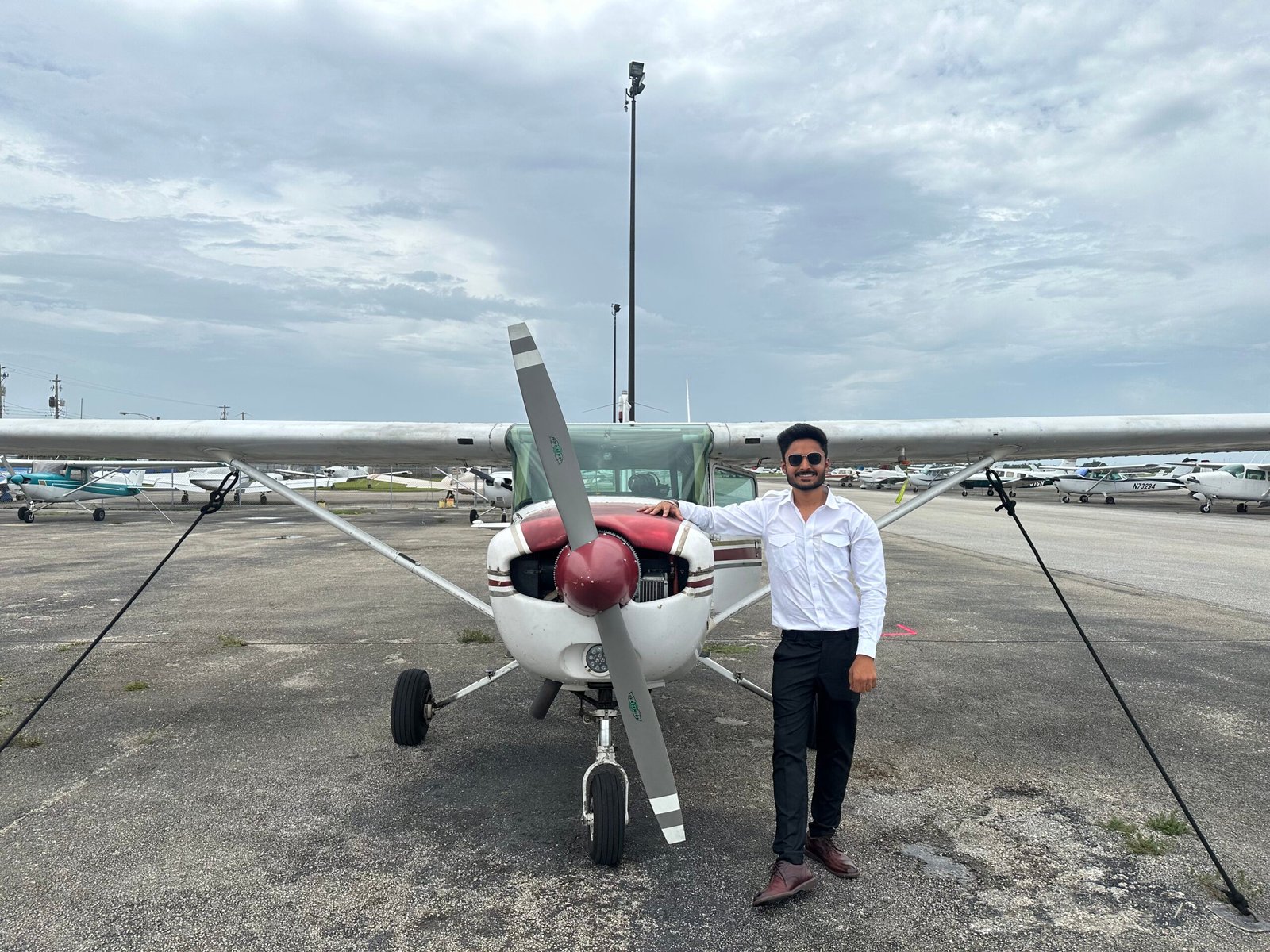
The kind of aircraft, length of training, and flight academy all affect the cost of a commercial pilot training.
Typical costs consist of:
- Ground school tuition
- Flying hour charges
- Simulator sessions
- DGCA examination fees
- Medical examinations
- Uniforms and study materials
- Documentation and licence fees
The cost of a CPL for the majority of students is between ₹45 lakh and ₹65 lakh for just CPL training. The total investment could be much more if employment with an airline requires Type Rating.
What Influences the CPL Cost?
Other factors besides tuition affect the commercial pilot license cost. Depending on what is included in their training package, different flying schools may provide varying quotes.
Among the key elements influencing the price are:
- The number of hours spent flying
- Type of aircraft
- Training with a simulator
- Fuel costs
- Availability of instructors
- Ground school costs
- Charges for landing and navigation
- Accommodations (if any)
- Uniforms and study materials
Always ask for a comprehensive fee schedule before enrolling in order to fully understand the CPL cost and prevent unforeseen costs down the road.
How Long Does It Take to Get a Commercial Pilot Licence?
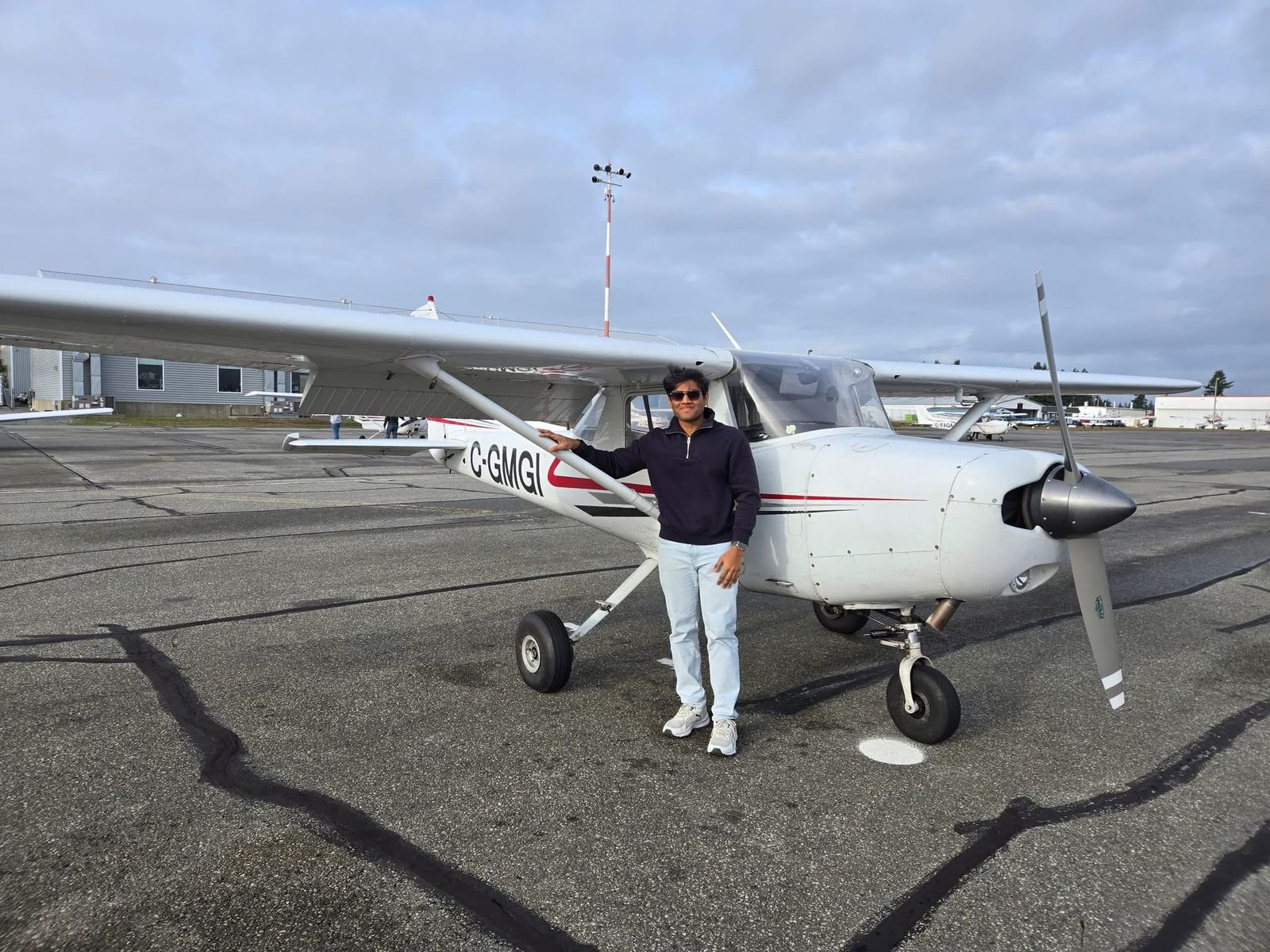
Weather, aircraft availability, instructor scheduling, and individual success are some of the variables that affect how long it takes to acquire a CPL.
Many students typically finish their CPL program in 18 to 24 months.
However, delays could be brought on by:
- Unfavorable weather
- Maintenance of aircraft
- Schedules for exams
- Renewals for medical care
- The academy’s high student demand
You can reduce delays and maintain the timeliness of your instruction by selecting a well-equipped Flying Instruction Organisation (FTO) that has been approved by the DGCA.
Choosing the Right Flying Academy
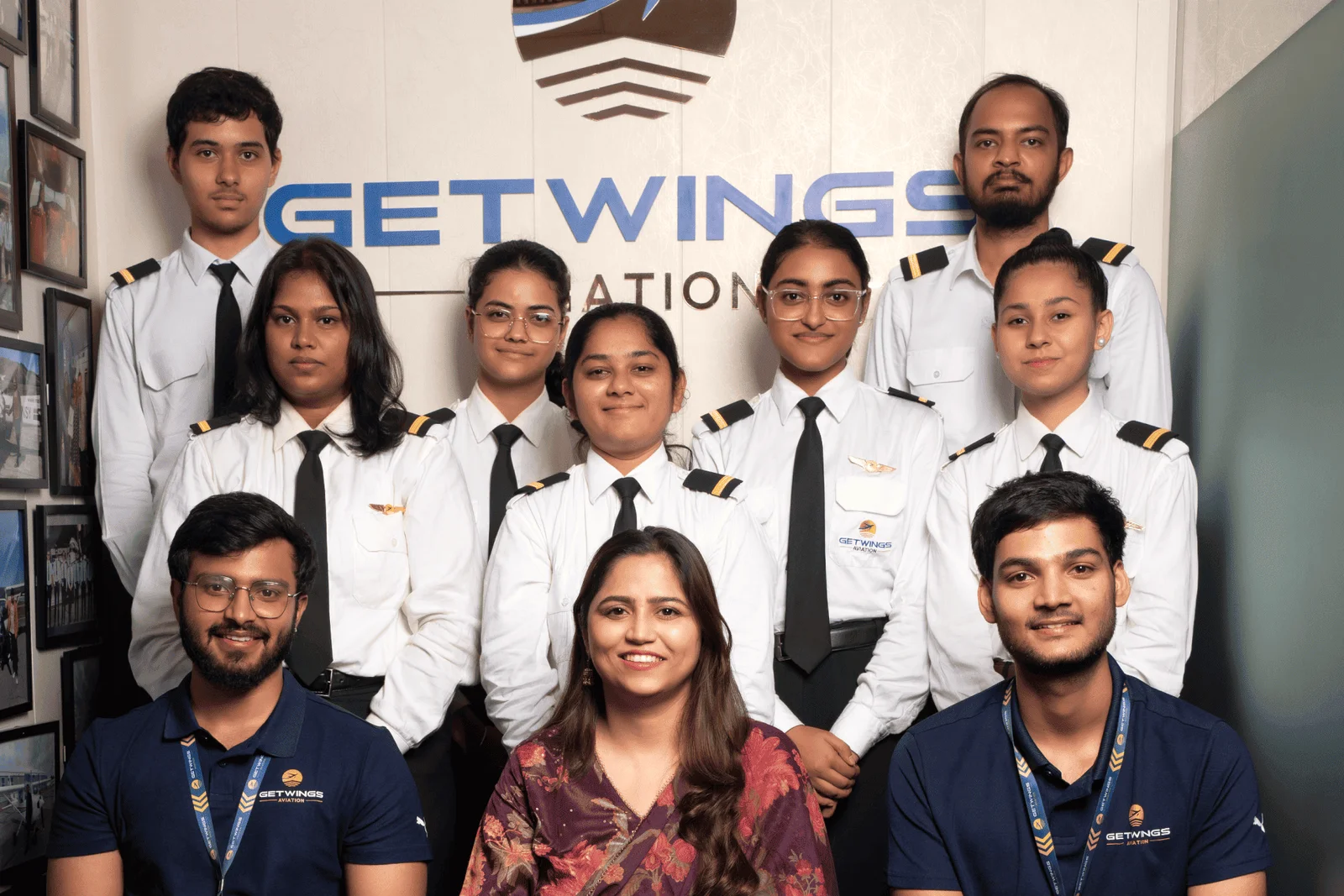
The length and calibre of your training can be greatly impacted by the flight school you select.
When comparing academies, consider aspects like these in addition to the costs that are advertised. Understanding pilot course fees in India can also help you compare the overall cost of different training options.
- Status of DGCA approval
- Aircraft condition and fleet size
- ratio of students to teachers
- Facilities for ground schools
- Record of safety
- Placement assistance
- Alumni achievements
- Infrastructure
- Price transparency
When looking for a commercial pilot license in your area online, evaluate several academies before deciding. You can make a better decision by visiting the campus, talking to current students, and looking over the academy’s training history.
Career Opportunities After Earning a CPL
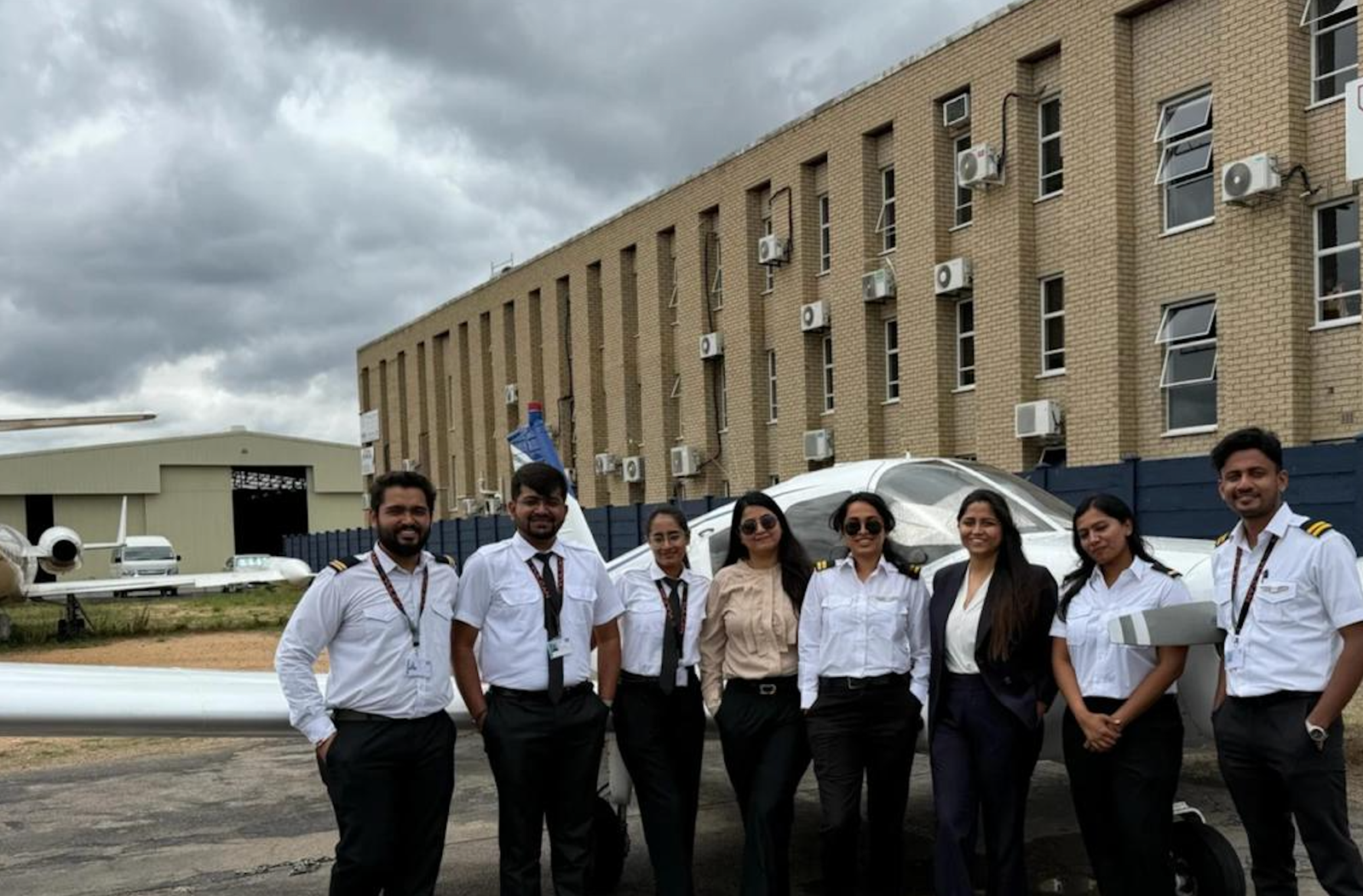
Numerous aviation occupations are accessible with a Commercial Pilot License. Although many pilots want to work for scheduled airlines, there are also fulfilling opportunities in a number of other industries.
Typical career paths consist of:
- First Officer of an Airline
- Captain of an airline (with experience)
- Pilot for Cargo and Charter
- Business Pilot
- Instructor of Flight (with extra ratings)
- Government Aviation Services Aerial Survey Pilot Air Ambulance Pilot
Pilots might become eligible for larger aircraft, international routes, and leadership roles in the aviation business as they acquire more certificates and flying experience.
Skills That Make a Successful Commercial Pilot
Although earning a CPL shows technical proficiency, great pilots also acquire a variety of professional skills throughout the course of their careers.
Among them are:
- Effective decision-making
- Situational awareness
- Good communication
- Leadership
- Teamwork
- Problem-solving
- Effective time management
- Stress reduction
- Adaptability
- Dedication to lifelong learning
These attributes support long-term success in the aviation sector and are equally crucial to fulfilling the formal requirements for a commercial pilot license.
Common Mistakes to Avoid During CPL Training
By avoiding typical errors during their training, many students can save money and time.
Among the most common errors are:
-
Selecting a Flight School Based Just on Cost
The best training experience might not always be offered by the least expensive academy. In addition to cost, take into account instructor availability, aircraft maintenance, and completion schedules.
-
Postponing DGCA Theory Tests
Maintaining consistent development and lowering the possibility of prolonging your training are two benefits of finishing your theory exams concurrently with ground school.
-
Disregarding Health Fitness
Before spending a lot of money on training, get your medical examinations as soon as possible to find and fix any problems.
-
Underestimating the Cost of Training
Keep in mind that additional flying hours, lodging, study materials, and medical exams might raise the total cost of a CPL.
-
Failing to Be Consistent
Frequent flying helps students finish their course more quickly by increasing competency and lowering the requirement for refresher instruction.
Frequently Asked Questions (FAQs)
-
What is a license for commercial pilots?
After fulfilling the necessary educational, medical, theoretical, and practical requirements, pilots can operate aircraft for pay or hire with a commercial pilot license, which is a professional license granted by the DGCA.
-
What are the prerequisites for a commercial pilot license?
The primary commercial pilot license requirements are:
- 18 is the minimum age.
- Completion of Physics and Mathematics in 10+2 (or equivalent)
- A current Class 1 Medical Certificate
- DGCA theory analyses
- Flying hours that are necessary
- CPL Skill Test for RTR Licenses
-
What is the price of a commercial pilot’s license?
Depending on the flying institution, aircraft, and training package, the cost of a commercial pilot license for CPL training in India typically ranges from ₹45 lakh to ₹65 lakh.
-
How much time does it take to get a CPL?
The majority of students finish their CPL training in 18 to 24 months, though this might vary according to individual progress, aircraft availability, and weather.
-
Can I get a CPL and start working as an airline pilot right away?
You can work as a commercial pilot with a CPL, but before you can start flying scheduled commercial operations, most airlines additionally demand extra selection procedures, simulator evaluations, and Type Rating training.
-
How can I locate a local commercial pilot license?
Look for DGCA-approved Flying Training Organisations in your desired area if you’re seeking a commercial pilot license near you. Examine their fleet size, safety record, placement assistance, training facilities, and instructor expertise.
Conclusion
One of the most important turning points in an aviation career is earning a commercial pilot license. Even though there are several steps in the process – from fulfilling medical and educational requirements to finishing ground school, flying training, DGCA exams, the RTR license, and the CPL skill test – each one is intended to get pilots ready for the demands of professional flying.
When making travel plans, consider not only the cost of a CPL but also the caliber of instruction, the standing of the flying school, and the assistance that will be provided during the course. Your learning experience can be significantly improved by selecting a DGCA-approved flying training organisation with knowledgeable instructors and well-maintained aircraft.
Whether your objective is to fly for domestic airlines, international carriers, cargo operators, or corporate aviation, obtaining a CPL can be the first step toward a fulfilling career in commercial aviation with careful preparation, persistent work, and the appropriate training environment.