
Clearing the DGCA Examinations is one of the most significant milestones for every aspiring commercial pilot in India, paving the way for them to take a step closer to their dream of flying. The theory exams conducted by the Directorate General of Civil Aviation (DGCA) are an essential requirement for achieving a Commercial Pilot Licence (CPL) and are applicable to anyone aspiring to become a Commercial Pilot with major airlines, charter companies, cargo carriers and corporate aviation companies.
Many students begin their pilot training with enthusiasm but often feel overwhelmed when they encounter the DGCA syllabus. Aspiring pilots often have queries regarding topics like “Which subjects do I need to study?”, “What is the pattern of DGCA exam?” and “How should I prepare?”.
The DGCA exams are intended to test the theoretical knowledge of aviation theories, regulations, navigation, weather and aircraft systems of a pilot. These topics are the basis of safe flight operations and airline training. A thorough knowledge of the syllabus is essential not only for the candidates’ success in the examinations but also aids them in facing the real-life challenges in aviation.
This detailed guide provides you with all the details about the DGCA Exam 2026 from the latest exam pattern, subjects, eligibility criteria, and effective preparation tips to clear the paper in time.
What is the DGCA Exam?

The Directorate General of Civil Aviation (DGCA) is the regulatory body of the Indian aviation industry that issues flying licenses to pilots, approves flying schools, and regulates aviation safety standards.
To acquire a CPL, candidates are required to pass the relevant DGCA theory tests. In addition to clearing these papers, candidates must meet the prescribed DGCA medical standards and complete the required flight training before obtaining a Commercial Pilot Licence.
The exams are held multiple times in every year at various centres of the DGCA across India through the Pariksha Portal.
DGCA Exam Pattern 2026
| Parameter | Details |
| Exam Mode | Computer-Based Test (CBT) |
| Question Type | Multiple Choice Questions (MCQs) |
| Language | English |
| Passing Marks | 70% |
| Examination Authority | DGCA |
| Exam Frequency | Multiple sessions annually |
| Registration | DGCA Pariksha Portal |
DGCA CPL Subjects 2026
In order to obtain a DGCA CPL, a student pilot is required to clear 6 subjects, namely:
- Aviation meteorology
- Air Regulations
- Air Navigation
- Technical General
- Technical Specific
- RTR
1. Aviation Meteorology
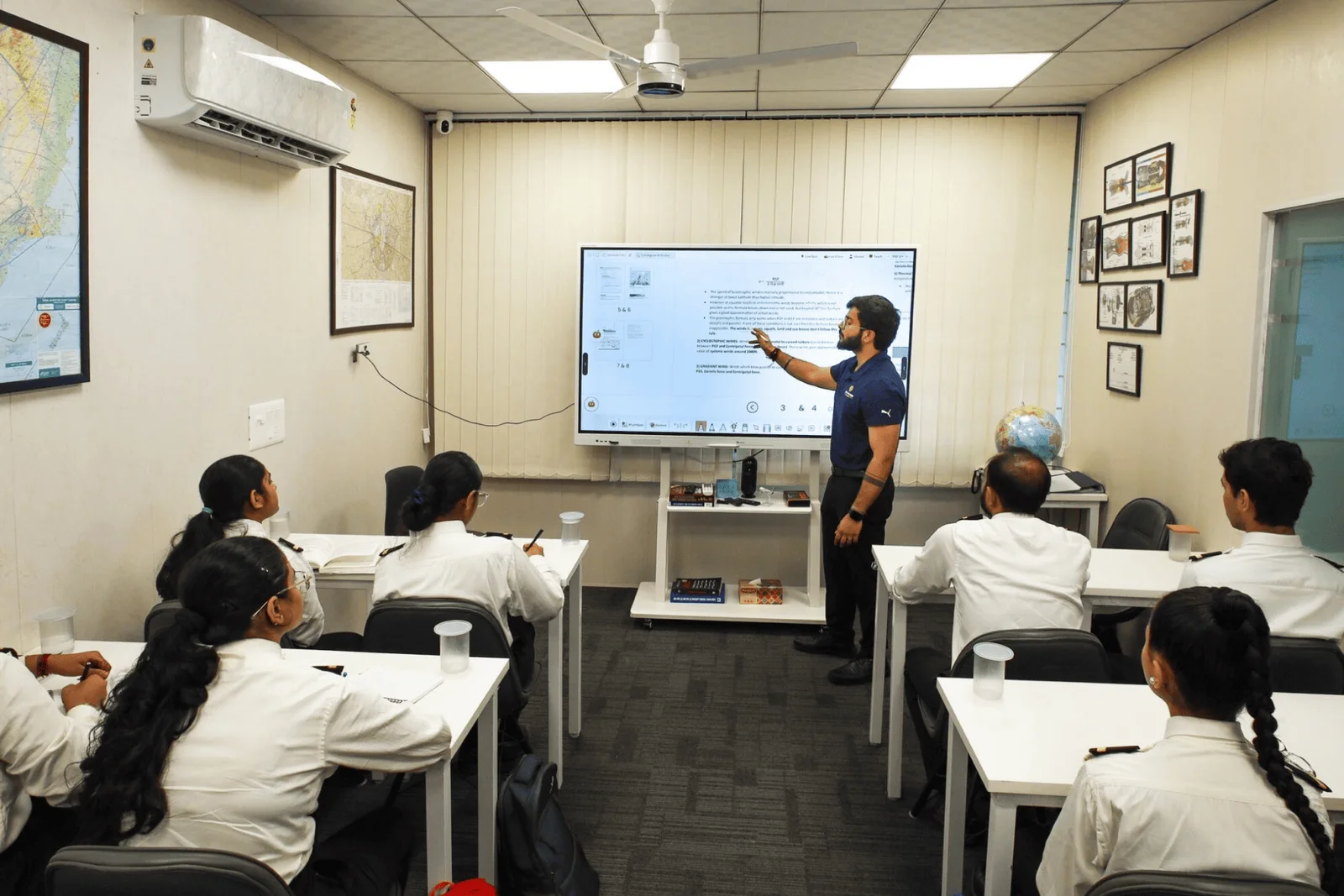
Weather significantly impacts flight safety. Aviation Meteorology teaches pilots how weather systems form, evolve, and affect aircraft operations.
Pilots use meteorological knowledge to identify potential hazards and make informed operational decisions.
Major Topics Covered
- Structure of Atmosphere
- Temperature and Pressure
- Humidity
- Stability and Instability
- Cloud Formation
- Thunderstorms
- Turbulence
- Icing Conditions
- Weather Charts
- METAR Interpretation
- TAF Interpretation
- Wind Systems
Preparation Tip
Focus on understanding concepts rather than memorizing definitions. Meteorology questions increasingly emphasize practical interpretation and real-world application.
2. Air Regulations
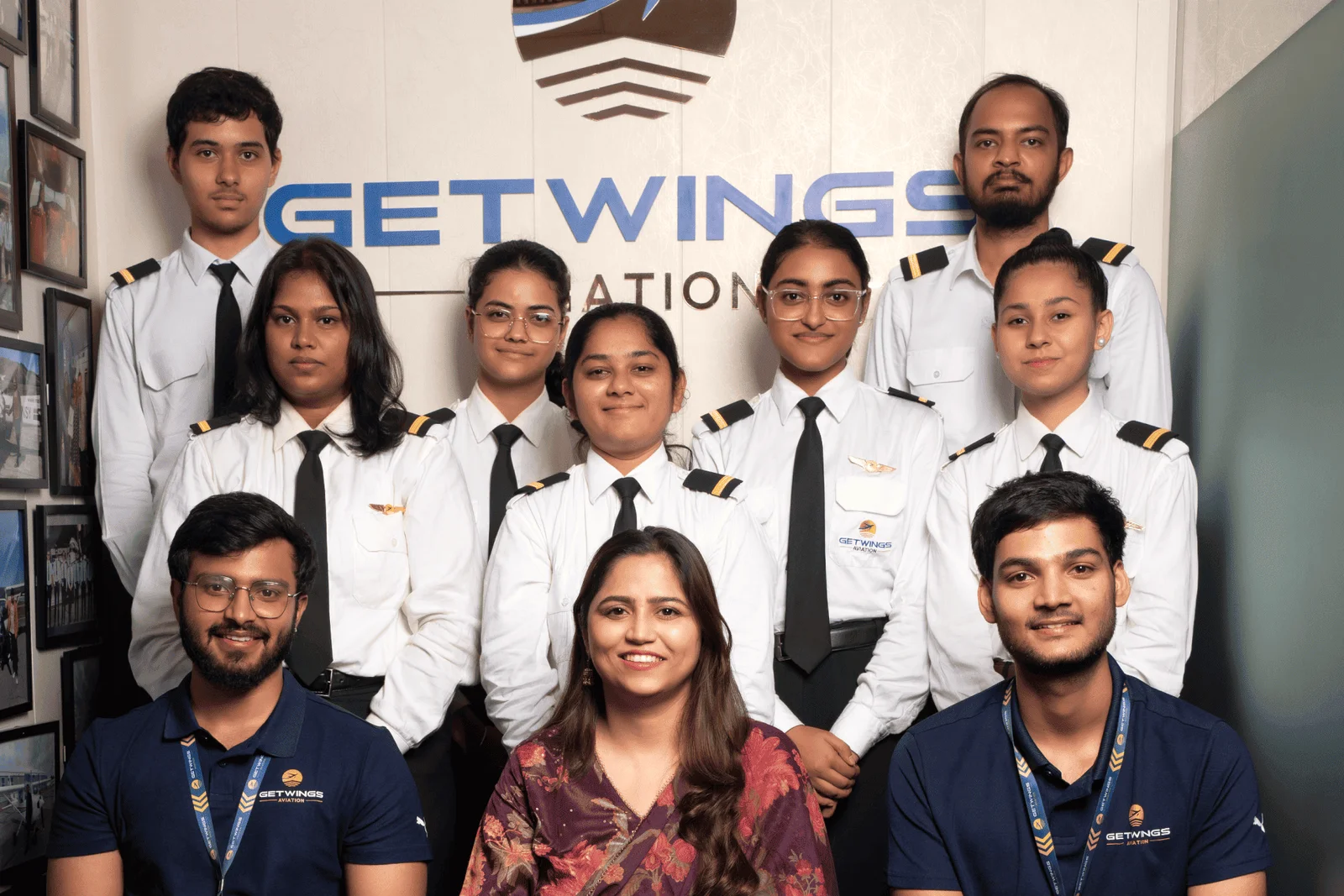
Air Regulations covers the legal framework governing aviation operations.
Every commercial pilot must understand national and international aviation laws, licensing requirements, and operational procedures.
Major Topics Covered
- DGCA Civil Aviation Requirements (CARs)
- Aircraft Act and Aircraft Rules
- ICAO Standards
- Airspace Classification
- Licensing Requirements
- Pilot Responsibilities
- Flight Rules
- Air Traffic Services
- Search and Rescue Procedures
- Accident Reporting
Preparation Tip
Air Regulations is often considered one of the scoring subjects because it is more theory-oriented than calculation-heavy subjects like Navigation.
3. Air Navigation
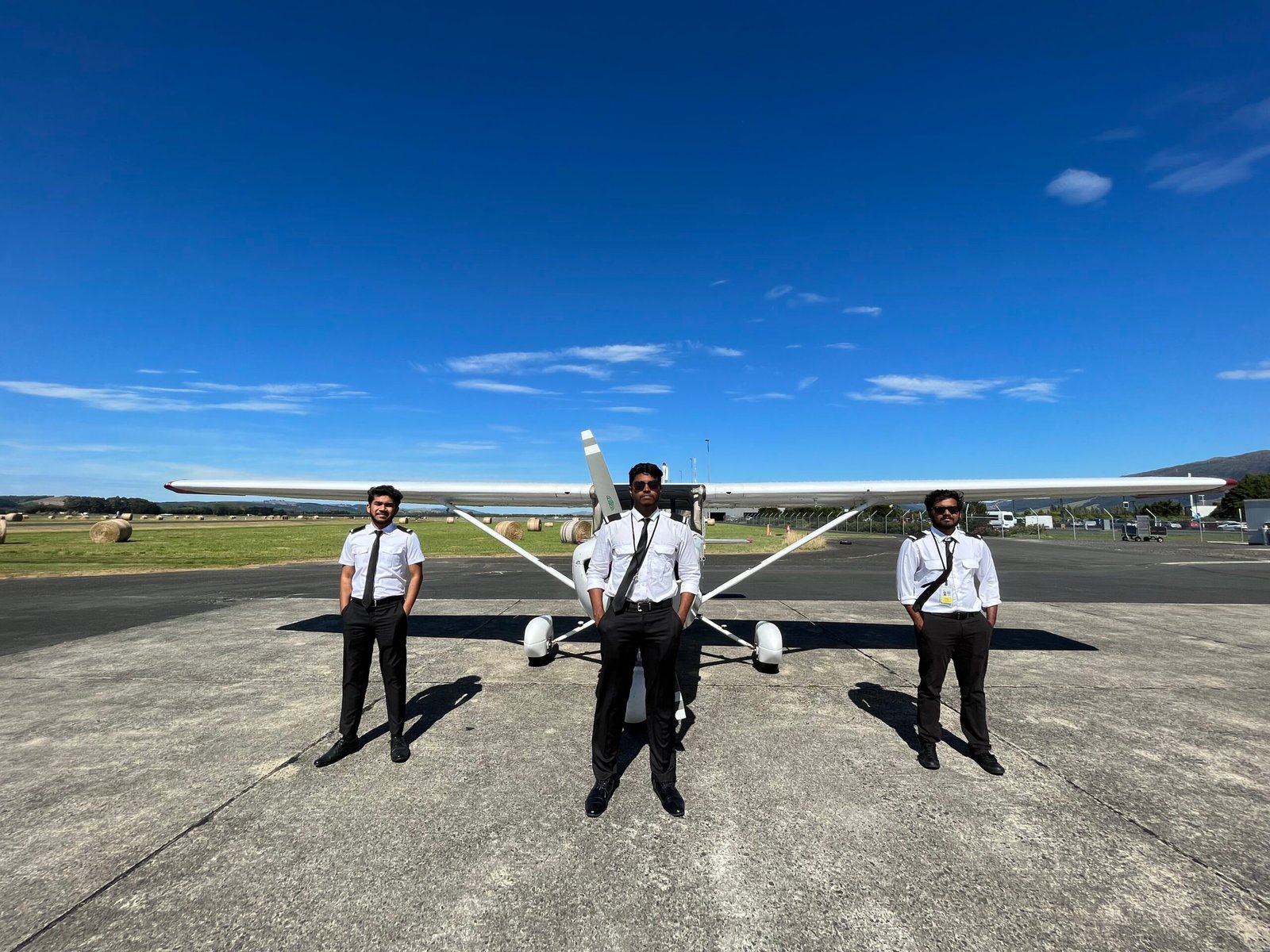
Air Navigation is often considered the most challenging DGCA subject because it involves extensive calculations and practical flight planning concepts.
It teaches pilots how to determine their position, plan routes, calculate fuel requirements, and navigate safely from departure to destination.
Major Topics Covered
- Latitude and Longitude
- Great Circle and Rhumb Line Navigation
- Time Calculations
- Dead Reckoning Navigation
- Flight Planning
- Radio Navigation Aids
- GPS Navigation
- VOR, DME, NDB and ILS
- Wind Triangle Calculations
- Fuel Planning
- Alternate Planning
Preparation Tip
Since Navigation involves calculations, regular numerical practice is essential. Many successful candidates recommend studying Navigation first because it requires the most time and effort.
4. Technical General
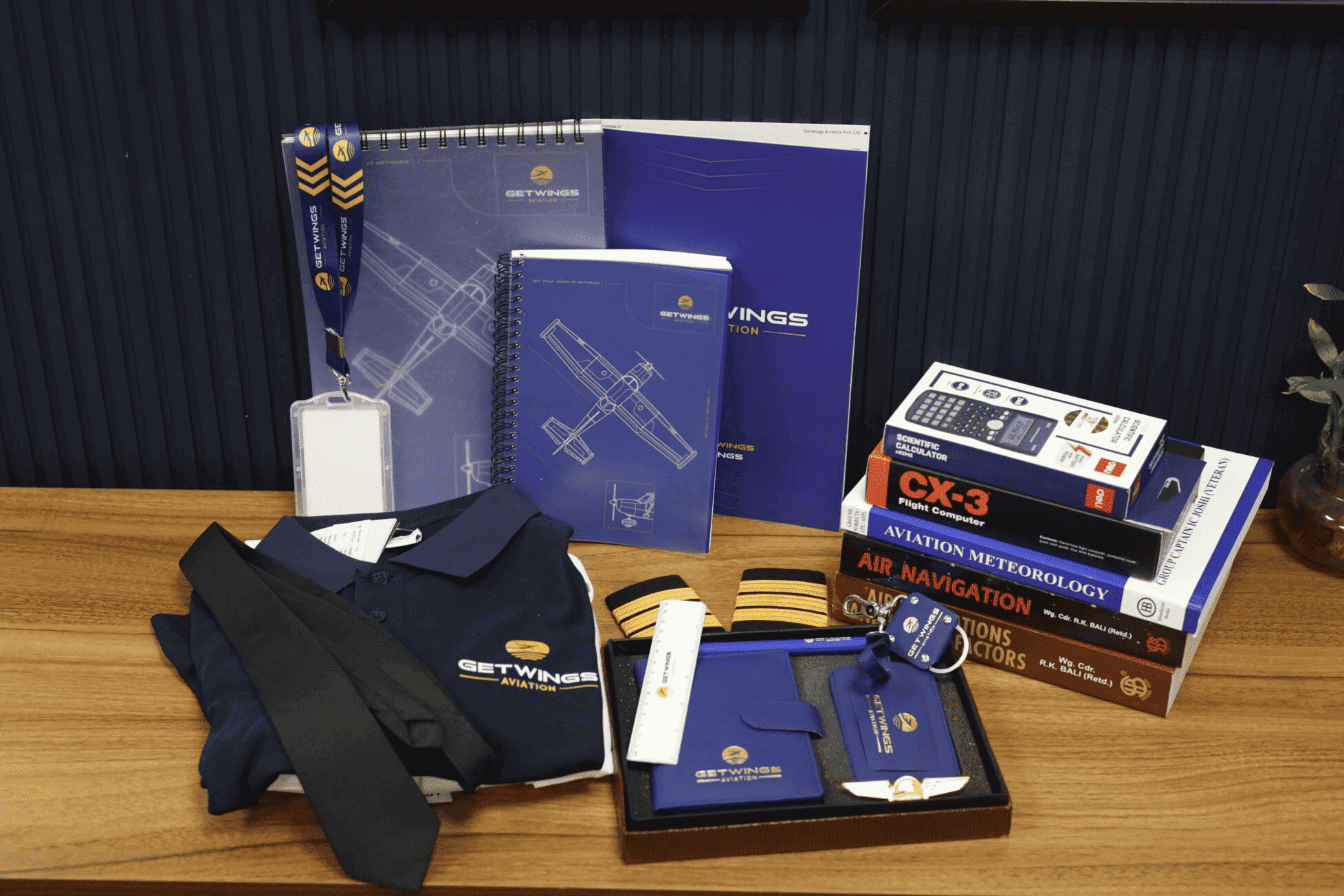
Technical General focuses on aircraft systems, aerodynamics, engines, and the principles that make flight possible.
This subject develops a pilot’s understanding of how aircraft operate and respond under different conditions.
Major Topics Covered
- Principles of Flight
- Aerodynamics
- Aircraft Structures
- Piston Engines
- Turbine Engines
- Electrical Systems
- Hydraulic Systems
- Fuel Systems
- Flight Instruments
- Weight and Balance
- Aircraft Performance
Preparation Tip
Create summary notes for aircraft systems and revise them regularly. Understanding system interactions often helps solve application-based questions.
5. Technical Specific
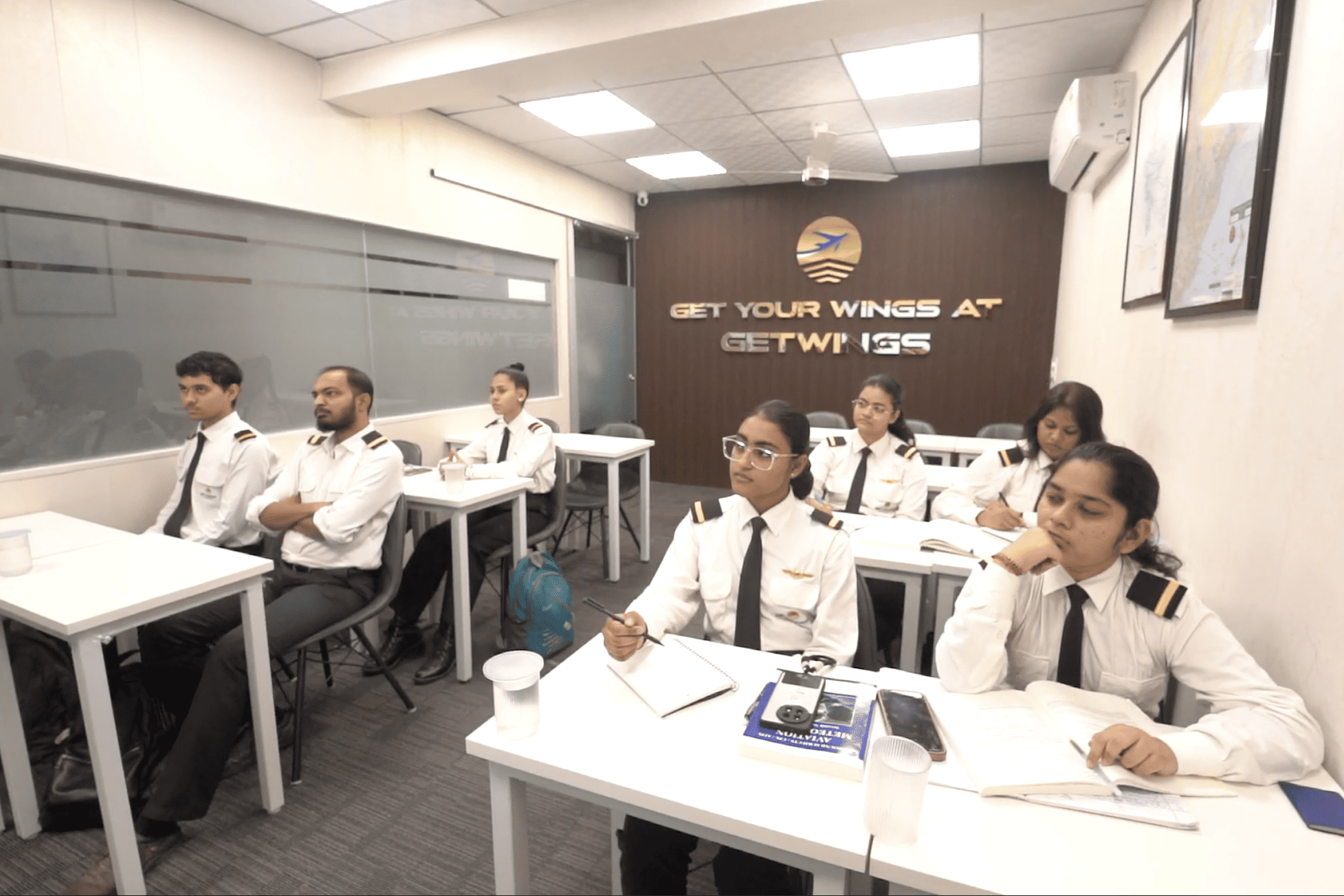
Technical Specific is based on the aircraft type used during your training.
Unlike Technical General, this subject focuses on the detailed systems, limitations, performance data, and operating procedures of a specific aircraft.
Topics Usually Include
- Aircraft Systems
- Performance Data
- Emergency Procedures
- Aircraft Limitations
- Operating Handbook
- Checklists
- Weight and Balance Data
Preparation Tip
Study directly from the aircraft’s Pilot Operating Handbook (POH) and training manuals.
6. RTR
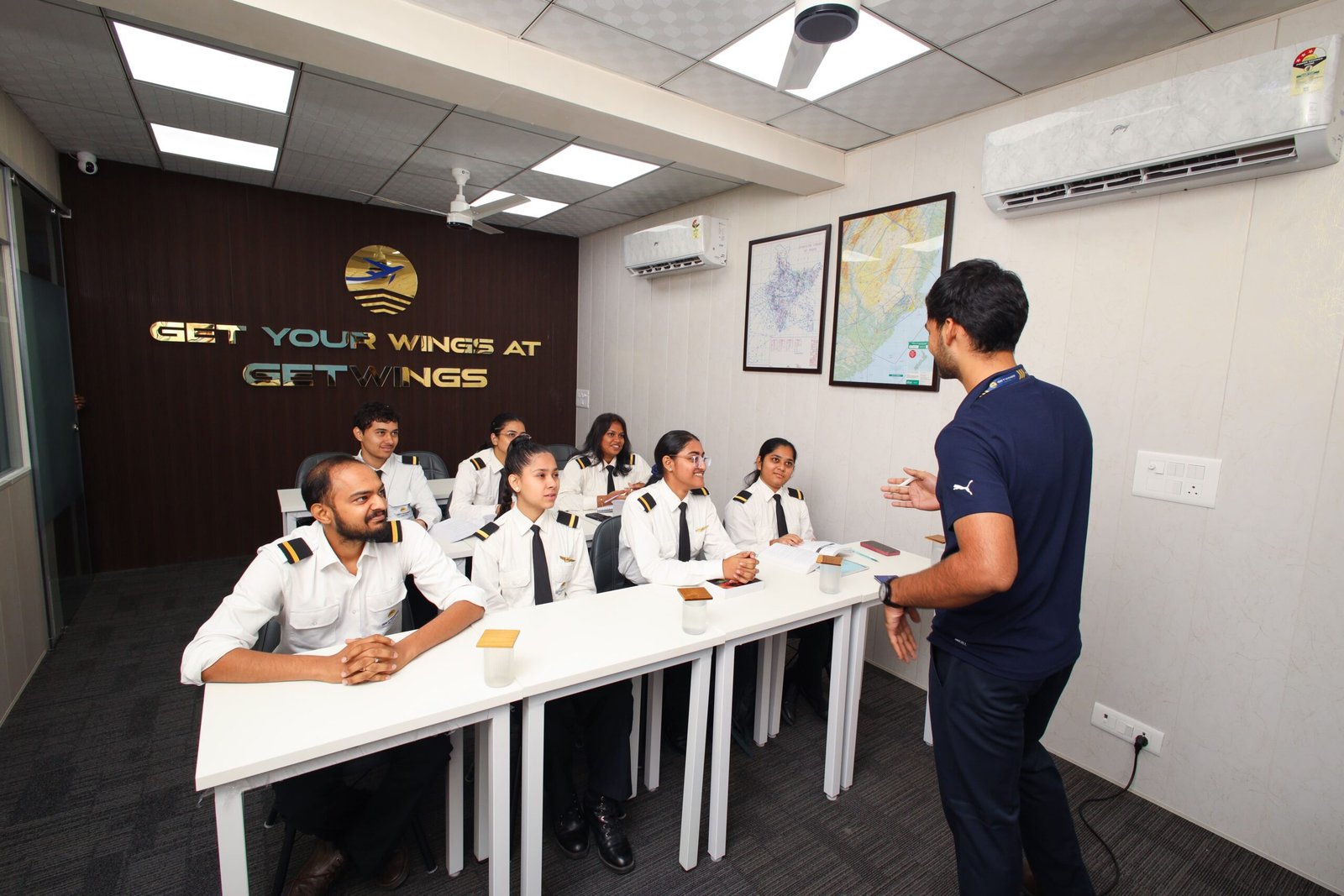
RTR (Radio Telephony Restricted) assesses a pilot’s communication knowledge and radio procedures.
Effective communication is critical for maintaining flight safety and coordination with Air Traffic Control.
Topics Covered
- Radio Communication Procedures
- Aviation Phraseology
- Distress and Urgency Communications
- Communication Equipment
- Air Traffic Communication Standards
Preparation Tip
Practice standard aviation phraseology regularly and listen to real ATC communications whenever possible.
How to Prepare for DGCA Exams in 2026

1. Follow a Structured Study Plan
A practical study sequence could be:
- Air Navigation
- Meteorology
- Air Regulations
- Technical General
- Technical Specific
- RTR
This approach balances calculation-heavy and theory-based subjects.
2. Use DGCA-Oriented Study Material
Rely on:
- DGCA CARs
- Aviation textbooks
- Ground school notes
- Question banks
- Mock tests
Official regulatory material should always be your primary reference for Air Regulations.
3. Solve Mock Tests Regularly
Mock examinations help you:
- Improve speed
- Identify weak areas
- Understand question patterns
Build exam confidence
4. Focus on Conceptual Learning
Recent exam trends indicate a greater emphasis on scenario-based questions rather than simple memorization. Understanding concepts is increasingly important for success.
5. Revise Consistently
Many students lose marks due to inadequate revision rather than lack of knowledge. Maintain:
- Formula sheets
- Navigation shortcuts
- Meteorology summaries
- Regulation notes
Aircraft system diagrams
6. Join a reputable DGCA Ground School

While self-study can help you understand the basics, enrolling in a DGCA ground school can significantly improve your preparation. Ground schools provide structured learning, experienced instructors, doubt-clearing sessions, study materials, and regular mock tests that are specifically designed around the DGCA syllabus and exam pattern.
A good ground school helps students:
- Understand complex topics such as Air Navigation and Meteorology more effectively
- Stay updated with the latest DGCA syllabus and examination trends
- Access comprehensive study materials and question banks
- Receive guidance from experienced aviation professionals
- Develop a disciplined study schedule
- Improve exam performance through regular assessments and mock tests
For students pursuing CPL training alongside theoretical studies, a ground school can reduce preparation time and increase the chances of clearing DGCA papers on the first attempt. Before beginning training, it is also advisable to understand the overall pilot training cost in India.
Choosing a training institute that offers both quality flight training guidance and DGCA ground classes can provide a more streamlined path toward obtaining a Commercial Pilot Licence.
The DGCA Exams are a crucial step in the journey to becoming a pilot in India. While the syllabus may initially seem extensive, a structured approach, consistent study habits, and conceptual understanding can significantly improve your chances of success.
Focus on mastering Air Navigation, developing strong Meteorology fundamentals, understanding Air Regulations thoroughly, and building a solid grasp of aircraft systems. With disciplined preparation and the right guidance, clearing the DGCA exams on your first attempt is an achievable goal.
At GetWings Aviation, we help aspiring pilots navigate every stage of their aviation journey – from DGCA Computer Number applications and medicals to flight training guidance and career planning. If you’re ready to begin your path to the cockpit, expert mentorship can make the process smoother, faster, and more efficient.