
If you dream of becoming a commercial pilot, one of the first things you need to understand is the pilot course fees in India. This is essential to know before you begin your aviation journey, as training involves several stages, each with its own expenses.
From getting a Student Pilot Licence (SPL) and Private Pilot Licence (PPL) to getting a Commercial Pilot Licence (CPL) and then finishing Type Rating, aspiring pilots need to understand that this journey will cost a big financial investment. While the total commercial pilot training cost in India can seem like a big investment at first, proper planning and choosing the right flight school can help you manage these expenses.
This guide breaks down every big cost involved in pilot training – licence fees, flying hours, examinations, accommodation, hidden expenses, and financing options. Whether you’re just beginning your research or preparing to enrol in a flight academy, this article provides a realistic overview of pilot course fees in India so you can make an informed decision.
Pilot Course Fees in India: Cost Comparison Table
To help you understand the complete financial commitment, here’s a consolidated estimate of the pilot course fees in India across different training stages.
| Training stage | Est. cost |
| Student Pilot Licence (SPL) | ₹15,000 – ₹30,000 |
| Private Pilot Licence (PPL) | ₹8 lakh – ₹20 lakh |
| Commercial Pilot Licence (CPL) | ₹50 lakh – ₹70 lakh |
| Type Rating | ₹12.5 lakh – ₹25 lakh |
Total investment (CPL+ Type Rating): ₹60 lakh – ₹1.3 crore
These figures are indicative and may vary depending on the flying academy, aircraft type, fuel costs, weather conditions, and additional flying hours required.
Understanding the Pilot Training Journey
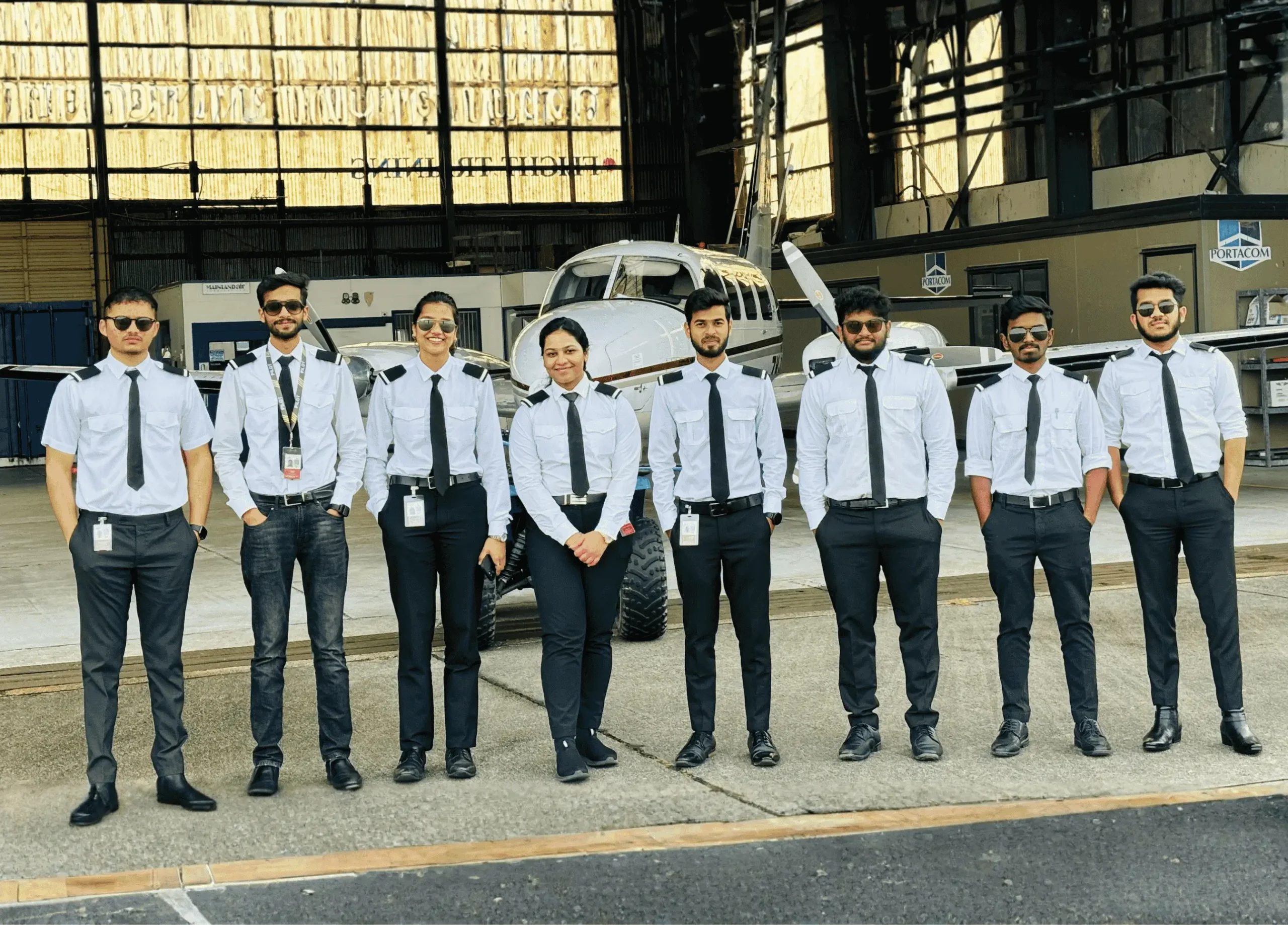
Before discussing the costs, let us start by understanding the typical path to becoming a commercial pilot in India.
The journey generally follows these stages:
- Student Pilot Licence (SPL)
- Private Pilot Licence (PPL)
- Commercial Pilot Licence (CPL)
- Type Rating (for airline-specific aircraft)
Each stage comes after the previous one, with increasing levels of theoretical knowledge and practical flying experience. Therefore, the fees also increase as students get more flying hours and advanced training.
Among all these stages, the largest portion of commercial pilot training cost in India comes from CPL training and aircraft flying hours.
Why is Pilot Training Expensive?
Many aspiring pilots wonder why aviation courses cost so much more than traditional college degrees.
The answer lies in flight training itself.
Aircraft require continuous maintenance, expensive aviation fuel, insurance, certified instructors, airport landing charges, navigation fees, and compliance with strict aviation safety regulations. Every flying hour involves substantial operational costs. Additionally, flight schools must maintain simulators, classrooms, aircraft maintenance facilities, and DGCA-approved training programs. These factors collectively contribute to the overall pilot course fees in India. Although the investment is substantial, it prepares students for a profession with global career opportunities and competitive earning potential.
Student Pilot Licence (SPL) Fees
The Student Pilot Licence is the first official step toward becoming a pilot.
Unlike later licences, SPL training mainly involves:
- Basic aviation theory
- Medical examinations
- Oral examinations
- Initial documentation
Estimated SPL Cost
| Expense | Approx. cost |
| Registration | ₹5,000–₹10,000 |
| Medical Examination | ₹5,000–₹8,000 |
| Study Material | ₹3,000–₹8,000 |
| Miscellaneous | ₹2,000–₹5,000 |
Estimated total: ₹15,000–₹30,000
Although relatively inexpensive, this is the beginning of your overall pilot course fees in India.
Private Pilot Licence (PPL) Fees
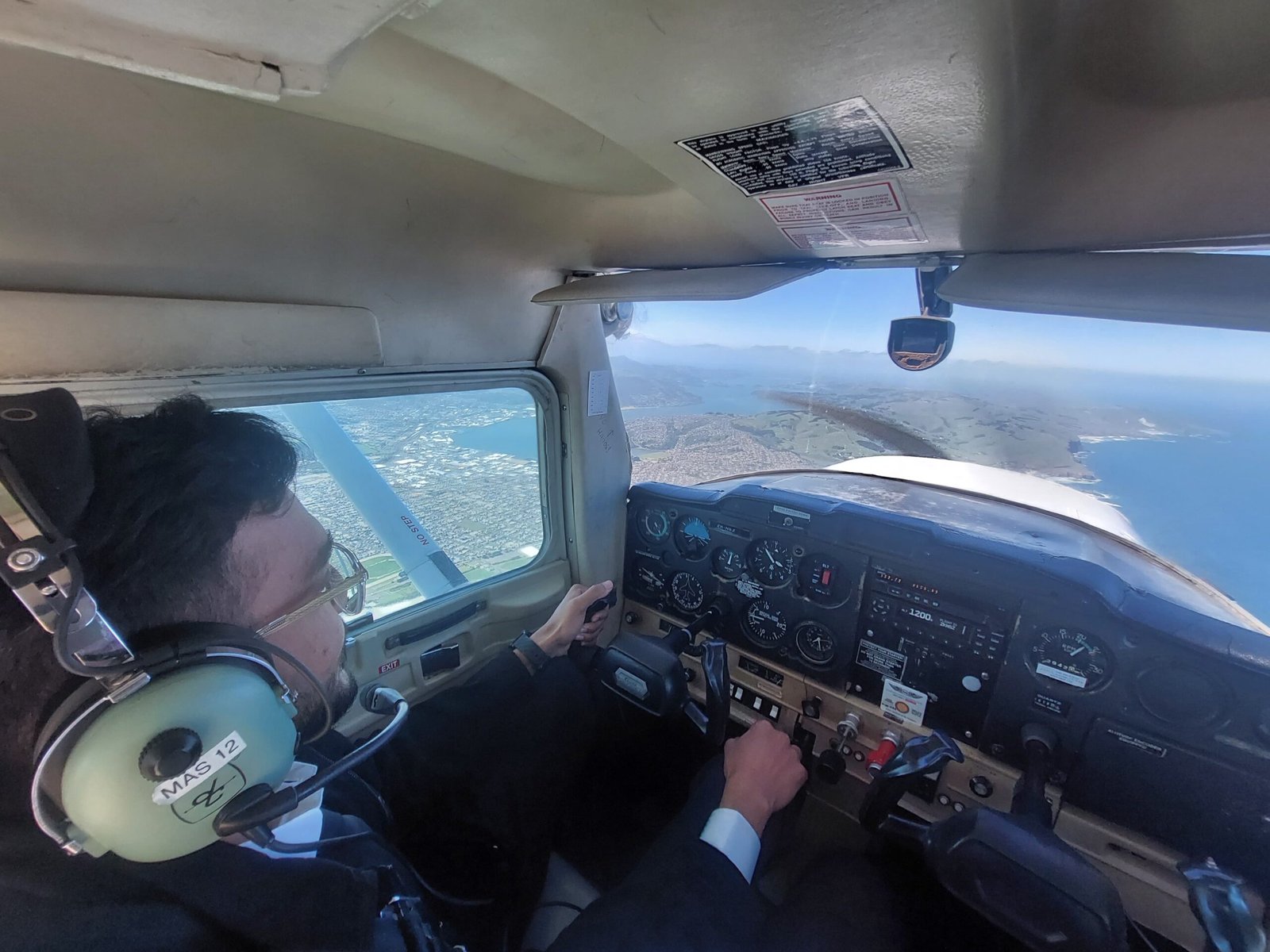
A Private Pilot Licence allows individuals to fly aircraft for non-commercial purposes.
During PPL training, students complete around 40–60 flying hours, which include navigation, meteorology, regulations, aircraft systems, and radio telephony.
Average PPL Cost in India
| Component | Estimated cost |
| Flying cost | ₹6–10 lakh |
| Ground classes | ₹50,000–₹1.5 lakh |
| Examination fees | ₹12,000–₹20,000 |
| Medical tests | ₹10,000 |
| Misc | ₹50,000 |
Estimated total: ₹8–20 lakh
Because integrated CPL courses incorporate PPL-level training, many students opt to forego a distinct PPL program. In some training programs, this can lower the total commercial pilot training cost in India.
Commercial Pilot Licence (CPL) Fees
The most important milestone in pilot training is the Commercial Pilot Licence, which also makes up the majority of the CPL training cost in India.
The Directorate General of Civil Aviation (DGCA) stipulates that candidates must accomplish a minimum of 200 flying hours to be eligible for a CPL. These hours cover instrument flying, night flying, solo flying, and cross-country navigation.
Students must complete DGCA exams covering the following topics in addition to flying:
- Air Navigation
- Aviation Meteorology
- Air Regulations
- Technical General
- Technical Specific
- Radio Telephony
Aircraft operation costs are the main driver of the commercial pilot training cost in India due to the substantial flying needs.
Breakdown of CPL Fees
| Component | Est. cost |
| Flying hours cost – 200 hours | ₹45–60 lakh |
| Ground school | ₹2–4 lakh |
| DGCA Exam fees | ₹12,500–₹20,000 |
| Simulator training | ₹1–3 lakh |
| Medical exams | ₹5,000–₹15,000 |
| Uniform & equipment | ₹50,000–₹1 lakh |
| Documentation | ₹20,000–₹50,000 |
Estimated total CPL cost: ₹50 lakh to ₹70 lakh
The CPL training cost in India depends on various factors, such as:
- Flight school
- Aircraft availability
- Fuel prices
- Weather delays
- Instructor availability
- Training location
Students training at academies with modern fleets may experience fewer delays, potentially reducing the total Commercial Pilot Training Cost in India by helping them complete their course on schedule.
By enabling them to finish their course on time, students training at academies with contemporary fleets may encounter fewer delays, which could lower the overall commercial pilot training cost in India.
Type Rating Cost
Just by completing a CPL, one does not automatically qualify as a pilot to fly commercial airline aircraft.
Before joining an airline, all pilots must complete Type Rating, which provides aircraft-specific training on models such as:
Type Rating combines:
- Advanced simulator sessions
- Aircraft systems
- Airline Standard Operating Procedures (SOPs)
- Emergency procedures
- Crew Resource Management (CRM)
Estimated Type Rating Fees
| Aircraft | Approx. cost |
| Airbus A320 | ₹12.5–17 lakh |
| Boeing 737 | ₹13–18 lakh |
| ATR 72 | ₹18–25 lakh |
Type Rating is oftentimes separate from the pilot course fees in India that are quoted by a lot of flight academies. Therefore, students should always verify whether it is included before enrolling.
Hidden Costs That Many Students Overlook
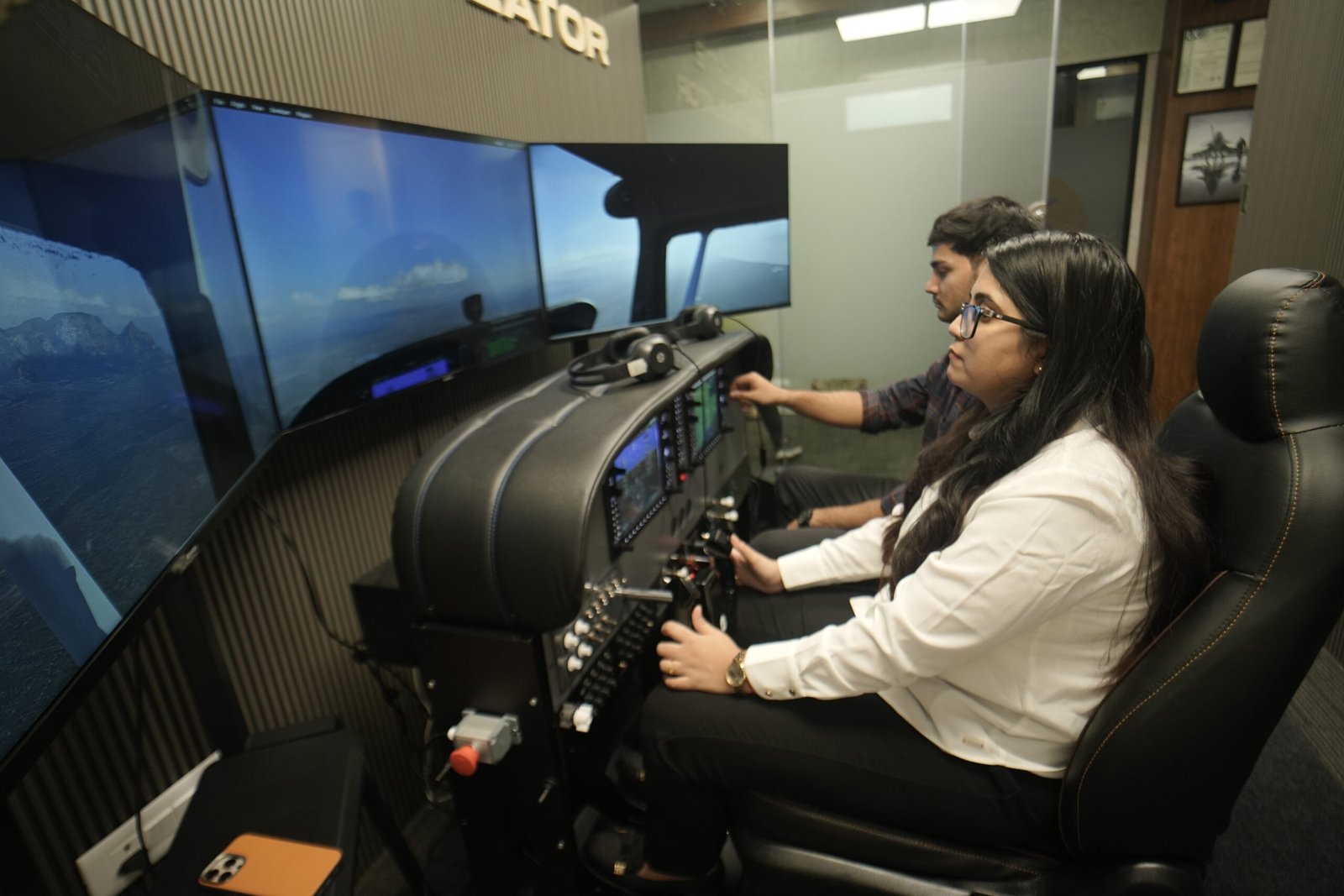
When comparing flight schools, students mostly focus on tuition and flying hour packages. But several additional expenses can also increase the overall commercial pilot training cost in India.
Common hidden costs include:
- DGCA medical renewals
- Logbooks
- Aviation headsets
- Uniforms
- iPads or EFB devices
- Hostel accommodation
- Food and daily living expenses
- Transportation
- Visa costs (for overseas training)
- Licence conversion (for foreign CPL holders)
- Additional flying hours due to weather delays or any remedial lessons if required
These expenses can add anywhere between ₹3 lakh and ₹10 lakh to your overall pilot course fees in India, depending on where and how you train.
Factors That Affect Pilot Course Fees in India
No two flight schools have the same fees. The ultimate pilot course fees in India are influenced by several factors, including:
- Training location: Due to increased operating costs, training in larger cities is frequently more expensive than in smaller ones.
- Fleet of aircraft: Modern aeroplanes with glass cockpits typically cost more to operate, but they offer superior training that complies with airline regulations.
- The weather: Unfavourable weather might cause flight schedules to be delayed, lengthening the course and raising the total CPL training cost in India.
- Availability of Instructors: Training progress could be slowed by a lack of flight instructors, which would increase living and housing costs.
- Fuel costs: Prices for aviation turbine fuel have a direct effect on aircraft operating expenses, which in turn affect the commercial pilot training cost in India.
Pilot Training in India vs Abroad: Which is More Cost-Effective?
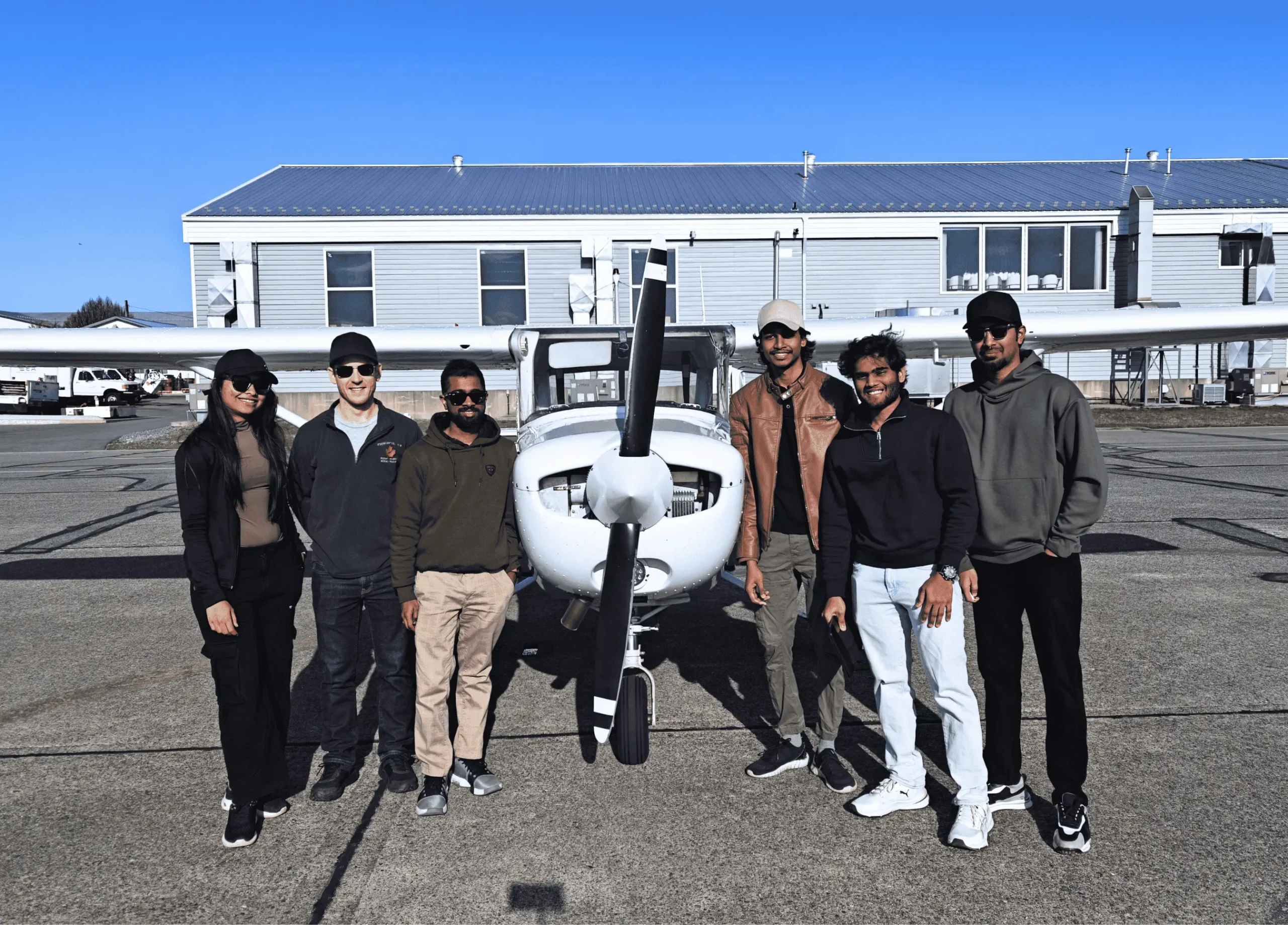
One of the most frequent queries from prospective pilots is whether they should finish their training abroad or in India.
Your desired training environment, job goals, and budget will all influence the response.
Training in India
Advantages
- DGCA-compliant training from the start
- No conversion of licenses for positions in Indian airlines
- Regulations for aviation and familiar airspace
- Simpler documentation and communication
Challenges
- Some academies have weather-related delays.
- The availability of aircraft may change.
- Extended wait times at crowded flight schools
Training abroad
Because they frequently offer better weather and quicker flying hour completion, nations like the USA, South Africa, Canada, Australia, and New Zealand are popular among Indian students.
Advantages
- More flying days throughout the year
- Faster course completion
- Larger training fleets at many academies
Challenges
- Licence conversion costs
- Visa and travel expenses
- Currency exchange fluctuations
- Additional DGCA examinations after returning to India
For Indian students who intend to work with domestic airlines, the total pilot training cost in India can be greatly increased by license conversion, travel, lodging, and exchange rates, even if international programs may first seem less expensive.
Financing Your Pilot Training
Many students depend on education loans to cover their expenses for training to be a pilot.
Today, several Indian banks and financial institutions offer loans specifically for aviation courses at approved flying academies.
Typical loan features include:
- Funding for tuition fees
- Flying hour expenses
- Hostel and accommodation
- Books and study material
- Equipment
- Living expenses in certain cases
Most lenders also offer repayment after course completion, giving students time to begin earning before starting EMIs.
Before applying, compare:
- Interest rates
- Moratorium period
- Maximum loan amount
- Processing fees
- Collateral requirements
- Repayment tenure
Choosing the right financing option can make the pilot course fees in India much more manageable.
Scholarships and Financial Assistance
Scholarships for pilot training are few, in contrast to traditional university programs. Students should still look into the opportunities that are accessible, though.
Among the potential sources are:
- State-run scholarship programs
- Programs for minority welfare
- Grants from the Aviation Foundation
- Corporate sponsorships
- Programs for airline cadets
- Scholarships from merit-based academies
To help students better handle the commercial pilot training cost in India, certain airline cadet programs also collaborate with financial institutions to offer structured payment plans.
Tips to Reduce the CPL Training Cost in India
Pilot training is a big investment, but be careful while planning so that you can reduce unnecessary expenses.
- Select a flight school approved by the DGCAYou are more likely to finish training on time at an institution with a solid reputation, plenty of instructors, and well-maintained aircraft.The CPL training cost in India may rise as a result of frequent delays due to higher living and lodging costs.
- Finish the DGCA exams earlyMany students wait until the very end of their course to take theory exams. A structured DGCA pilot ground course can help you prepare earlier and stay on track.You can advance more quickly and prevent needless delays by passing DGCA exams before or during flight instruction.
- Be consistentLong intervals between flying sessions might impair performance, necessitating more refresher flights and raising CPL training cost in India.You can finish training more quickly if you fly frequently.
- Maintain your medical healthKeeping up your Class I medical fitness lowers the possibility of disruptions that could lengthen your course and increase overall costs.
- Examine what’s includedSome academies promote cheaper costs while omitting crucial elements like:
- Uniforms
- Simulator sessions
- Landing charges
- DGCA examination fees
- Accommodation
- Study material
To understand the real pilot course fees in India, always ask for a thorough fee breakdown before enrolling.
Is Becoming a Pilot Worth the Investment?
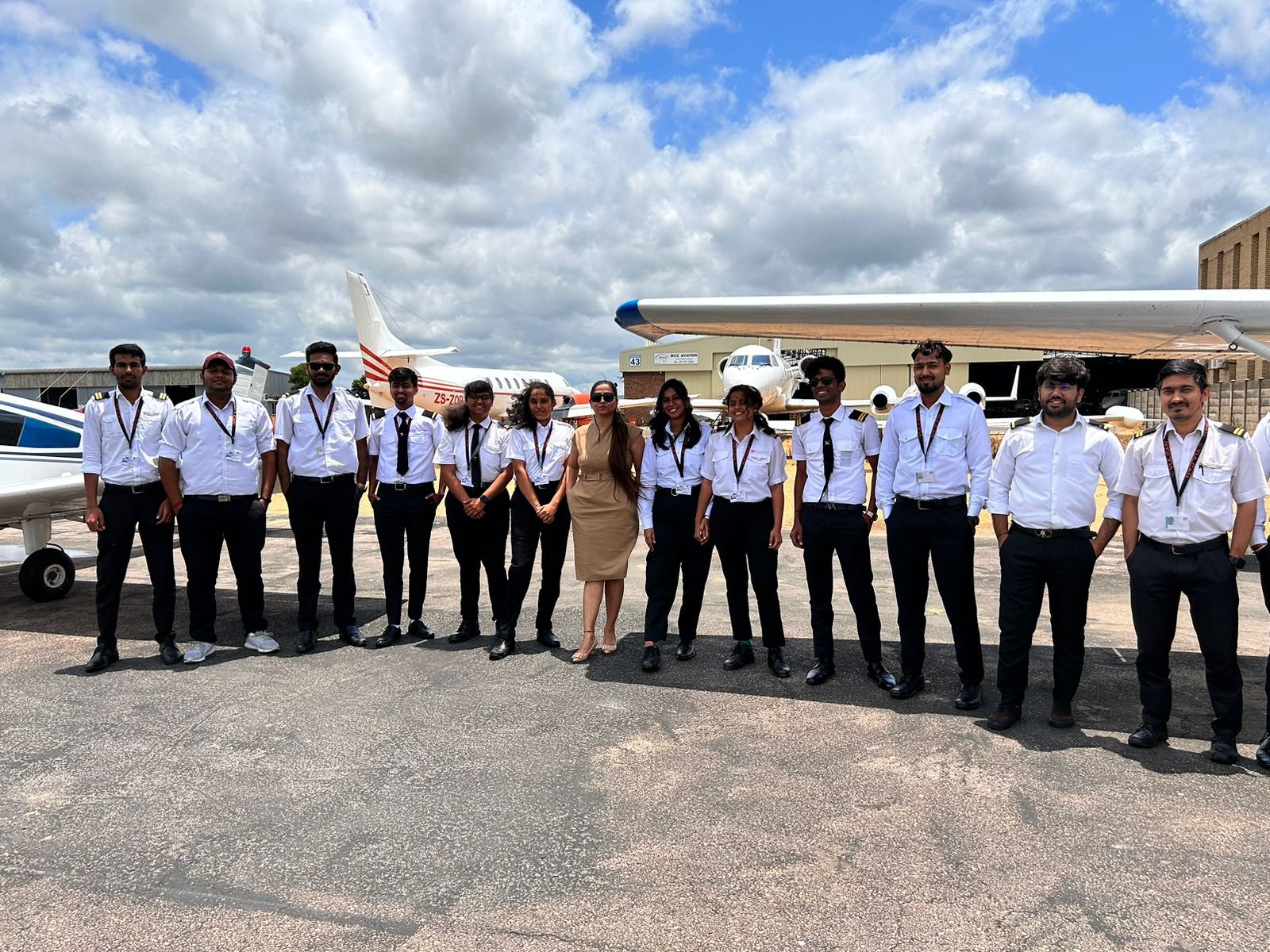
For many aspiring pilots, the answer is yes; it is worth it.
While the commercial pilot training cost in India is quite high, it should be looked at as a long-term career investment and not just an educational expense.
Commercial pilots have so many opportunities to work with:
- Domestic airlines
- International airlines
- Cargo operators
- Charter companies
- Corporate aviation
- Flight training organizations
- Government aviation services
With more experience, the pilots’ earning potential always increases significantly.
Although salaries change depending on the airline and aircraft type, good, experienced airline pilots can earn so much more than professionals in many other industries.
The important aspect is to select a good training academy, complete your training with good grades, and always want to learn throughout your career as a pilot in the aviation industry.
Common Mistakes Students Make
Many aspiring pilots just pay attention to the course fee that is advertised.
Rather, they ought to assess the total cost of training.
Typical errors consist of:
- Selecting a school only based on cost
- Disregarding the availability of aircraft
- Underestimating the expense of lodging
- Ignoring Type Rating Costs
- Not setting aside money for more flight time
- Ignoring the cost of converting a license for overseas training
- Postponing DGCA tests
By avoiding these errors, you may control your commercial pilot training cost in India and save time and money.
How to Choose the Right Flight Academy
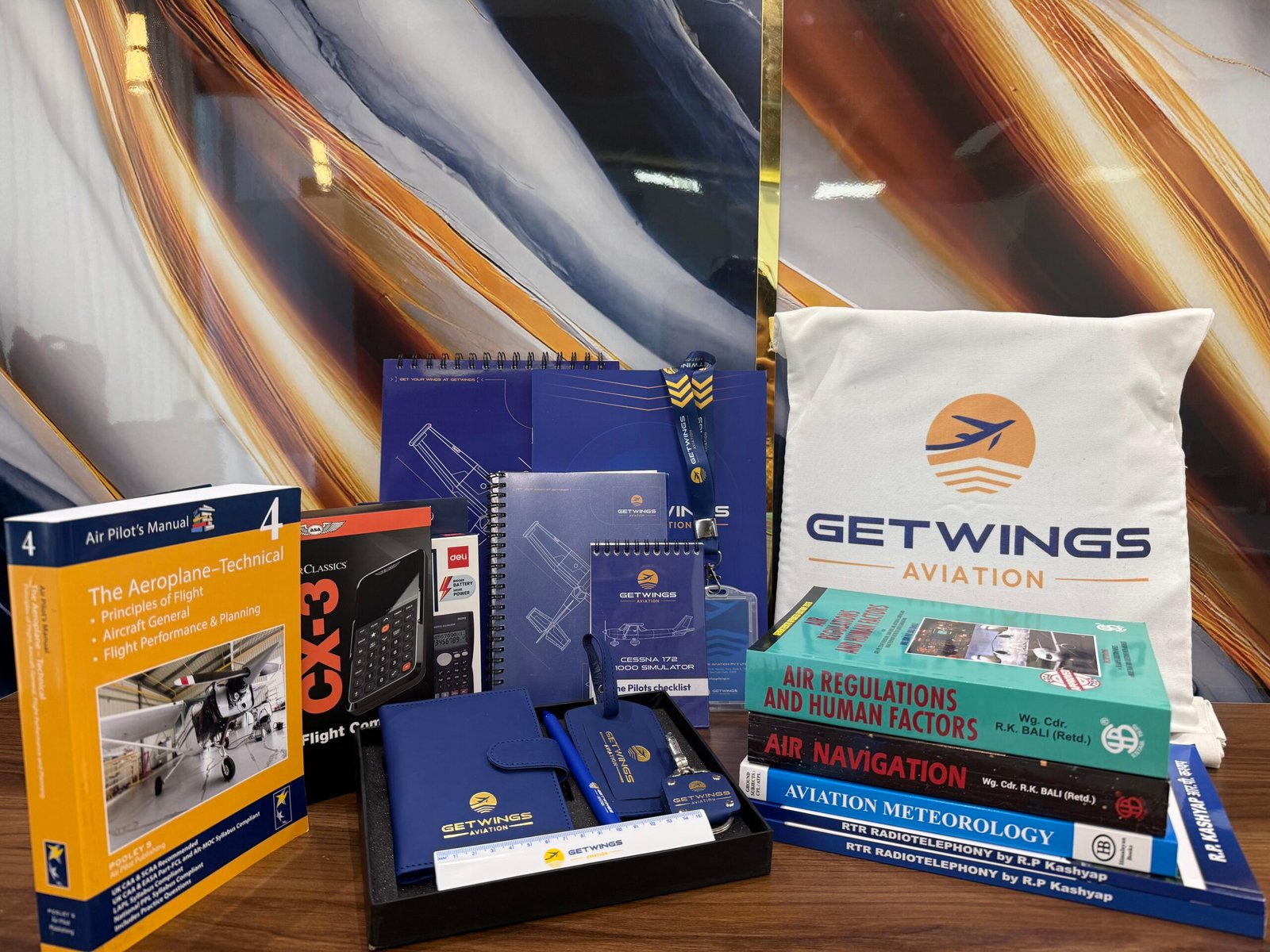
Since you’ll spend a lot of time, months, and sometimes years in training at a flight school, choosing the right academy is very important, almost as important as looking at the pilot course fees in India.
When evaluating academies, consider:
- DGCA approval
- Fleet size and aircraft condition
- Instructor-to-student ratio
- Flying hour availability
- Safety record
- Ground school quality
- Placement assistance
- Student reviews and alumni success
- Infrastructure and simulator facilities
- Transparent fee structure
A good academy can charge a bit more upfront, but it will reduce delays and help you complete your training on time, therefore lowering your overall CPL training cost in India.
Frequently Asked Questions (FAQs)
-
How much do pilot courses typically cost in India?
The overall pilot course fees in India, including CPL training and Type Rating, usually range from ₹60 lakh to ₹1.3 crore. The academy, aircraft, and length of instruction all affect the precise quantity.
-
How much does commercial pilot training cost in India?
In India, the cost of CPL training alone often ranges from ₹45 lakh to ₹65 lakh. Typically, type rating represents an extra cost.
-
How much does CPL training cost in India?
Depending on the training institution, instructor availability, and flying hours, the CPL training cost in India typically ranges from ₹50 lakh to ₹70 lakh.
-
Does the fee include Type Rating?
Not always. Many flight schools charge CPL fees separately, and Type Rating is charged separately. Always check what is included in the fee structure.
-
Can I get an education loan for pilot training?
Yes, you can. Several banks and financial institutions in India provide education loans for eligible aviation courses, subject to their terms and conditions.
-
Is pilot training abroad cheaper?
Not always. While tuition may be competitive, travel, accommodation, visa expenses, and licence conversion costs can increase the total investment.
Conclusion
It takes commitment, self-control, and careful budgeting to become a commercial pilot. Even though the pilot course fees in India might seem expensive at first, knowing every step, from SPL and PPL to CPL and Type Rating, allows you to confidently get ready for the investment.
Think about things like training quality, aircraft availability, teacher experience, infrastructure, and placement support instead of just pricing when selecting a flight academy. Long-term time and financial savings are frequently possible with an effective training program and an open fee schedule.
In the end, the commercial pilot training cost in India should be seen as an investment in a fulfilling job with promising long-term possibilities. You may successfully manage the CPL training cost in India and move closer to realising your goal of being a professional pilot by organising your funds, looking into education loans or scholarships, and choosing the best institution.