
Choosing the right pilot licence is one of the first major decisions for anyone considering flight training. Two of the most common options are the Private Pilot Licence (PPL) and Commercial Pilot Licence (CPL). While both involve learning to fly an aircraft, they are designed for very different purposes.
Understanding CPL vs PPL is particularly important if you are planning an aviation career. A PPL can be suitable for people who want to fly recreationally or operate an aircraft privately, whereas a CPL is designed for individuals who want to pursue professional flying as a career.
The two licences differ in terms of eligibility, training requirements, flying hours, examinations, costs, and career opportunities. Your choice should therefore depend on whether flying is a personal interest or a professional career goal.
This guide explains the key differences between CPL and PPL, compares their costs and training requirements, and explores the career opportunities associated with each licence.
What Is a Private Pilot Licence?

A Private Pilot Licence (PPL) allows an individual to fly an aircraft for private or recreational purposes.
A PPL holder can operate an aircraft without being paid to carry passengers or perform commercial flying services. It is therefore generally suitable for people who want to experience aviation without pursuing piloting as a full-time profession.
For example, someone who enjoys flying as a hobby may obtain a PPL and use it to fly privately, subject to the applicable regulations and privileges of the licence.
PPL training typically introduces students to:
- Basic aircraft handling
- Take-offs and landings
- Navigation
- Aviation meteorology
- Aircraft systems
- Flight planning
- Air regulations
- Radio communication
- Emergency procedures
The training provides a foundation in aviation and develops the practical skills required to safely operate an aircraft.
However, a PPL does not provide the same professional privileges as a CPL.
What Is a Commercial Pilot Licence?
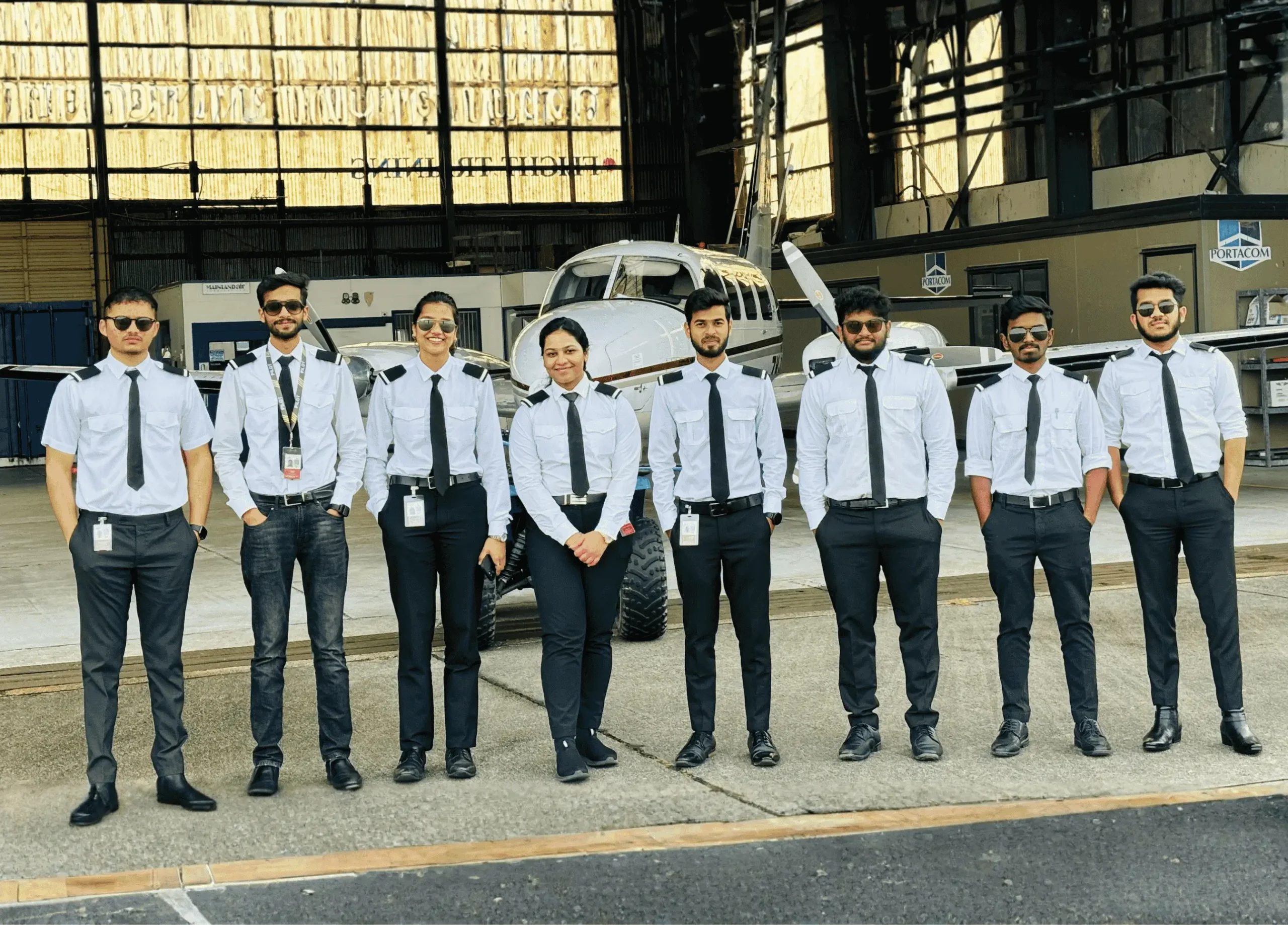
A Commercial Pilot Licence (CPL) is a professional pilot licence that allows a qualified pilot to undertake commercial flying activities within the privileges of the licence.
It is the licence generally pursued by individuals who want to build a career as a professional pilot.
CPL training is considerably more extensive than PPL training. Students undergo additional theoretical education, complete significantly more flying hours, and develop advanced skills such as instrument flying and professional navigation.
A typical CPL training program includes:
- Ground school
- Flight training
- Navigation
- Instrument flying
- Cross-country flying
- Aviation meteorology
- Air regulations
- Aircraft and engine knowledge
- Radio telephony
- Emergency procedures
- Flight planning
After obtaining a CPL, aspiring airline pilots may need additional qualifications and training, such as a Type Rating for a specific aircraft.
CPL vs PPL: Key Differences
The simplest way to understand the difference is to look at the purpose of each licence.
|
Factor |
PPL | CPL |
| Primary purpose | Private/recreational flying | Professional flying |
| Commercial flying | Not permitted under PPL privileges | Permitted within licence privileges |
| Training intensity | Lower | Higer |
| Flying hours | Fewer | More |
| Training cost | Lower | Higher |
| Career opportunities | Limited | Broad professional opportunities |
| Airline career pathway | Not sufficient | Required foundation |
| Advanced training | Optional depending on goals |
Often followed by additional ratings |
The biggest distinction is the purpose of the licence.
If you want to fly for enjoyment, a PPL may be sufficient. If you want to earn a living as a pilot, you will generally need to pursue a CPL and additional qualifications relevant to your intended career path.
Eligibility Requirements
The eligibility requirements for PPL and CPL are not identical.
In India, pilot licensing is regulated by the Directorate General of Civil Aviation (DGCA), and candidates must meet the applicable age, educational, medical, examination, and training requirements.
PPL Eligibility
PPL applicants generally need to meet the minimum age requirement specified by DGCA and satisfy the applicable medical and training requirements.
Students also need to complete the required theoretical examinations and practical flight training.
Because PPL is intended for private flying, its training requirements are less extensive than those for a CPL.
CPL Eligibility
CPL applicants must meet more demanding requirements because the licence is intended for professional operations.
These generally include:
- Meeting the minimum age requirement
- Required educational qualifications
- Applicable DGCA medical certification
- Completion of required flight training
- Passing the required theoretical examinations
- Meeting the prescribed flying-hour requirements
- Completing the required skill test
Candidates should always check the latest DGCA requirements before beginning training because regulatory requirements can change.
Training and Flying Hours
One of the biggest differences between the two licences is the amount and complexity of flight training involved.
PPL training focuses on helping a student become a competent private pilot. Students learn fundamental aircraft handling, navigation, communication, and safety procedures. CPL training builds on these skills and introduces a higher level of precision and operational knowledge.
CPL students typically undergo training in:
1) Instrument Flying
Pilots learn to operate using flight instruments and procedures rather than relying solely on visual references.
2) Advanced Navigation
Students develop stronger navigation and flight-planning skills, including longer cross-country flights.
3) Professional Flight Operations
CPL training places greater emphasis on precision, decision-making, operational procedures, and professional standards.
4) Emergency Procedures
Students learn how to respond to various abnormal situations and emergencies.
The exact number of hours and training requirements depend on the applicable DGCA regulations and the student’s training pathway.
Ground Training and Examinations
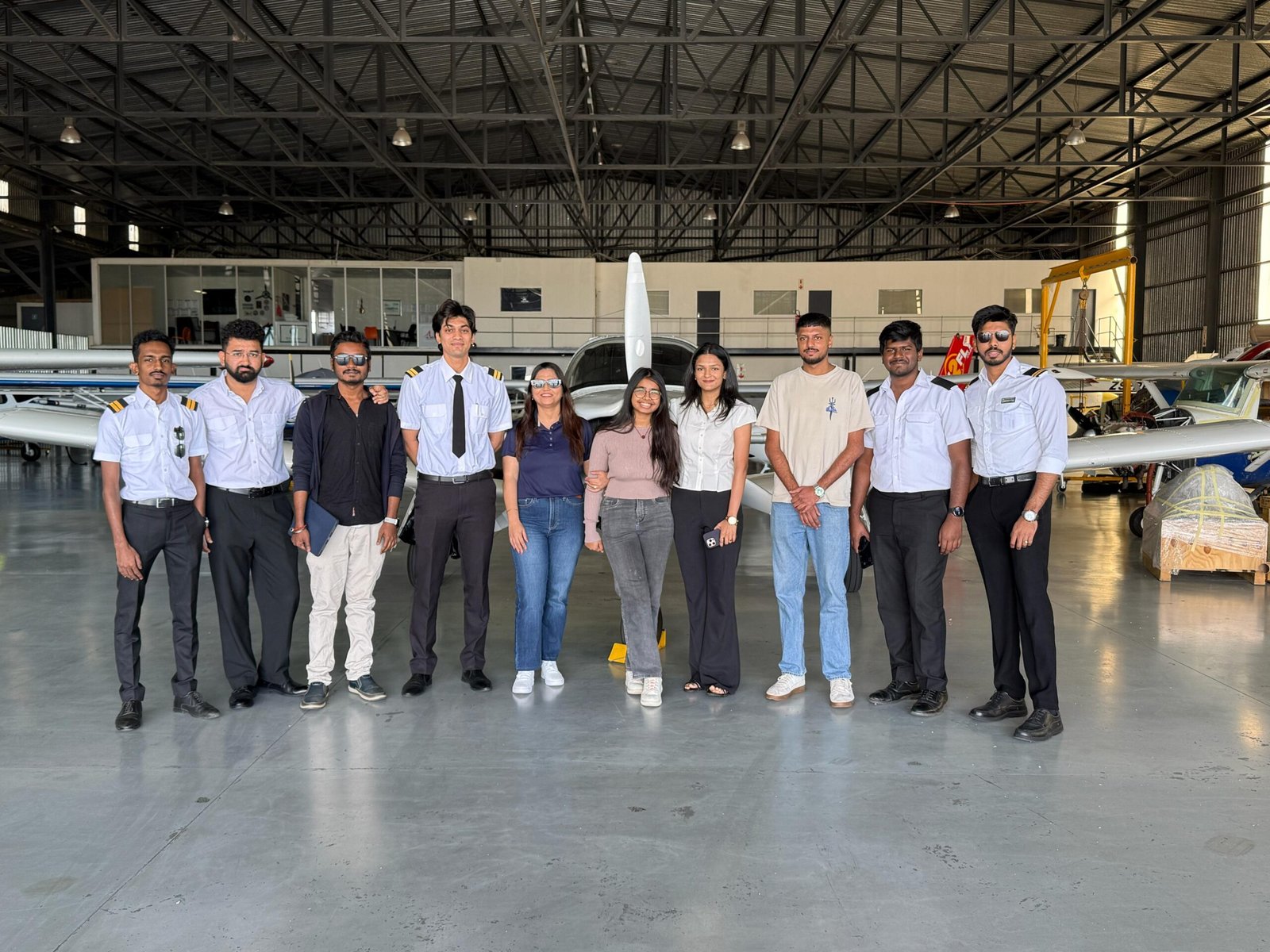
Both PPL and CPL students must complete theoretical training, but CPL candidates generally face a more extensive academic and examination requirement.
Subjects can include:
- Air regulations
- Aviation meteorology
- Navigation
- Aircraft and engines
- Human performance
- Radio communication
- Flight Planning & performance
CPL candidates must demonstrate a deeper understanding of aviation theory because they are preparing for professional operations.
In addition to written examinations, candidates must meet the applicable practical assessment and licensing requirements.
Students should therefore consider their academic preparation when deciding between the two licences. GetWings DGCA Ground School runs structured group and one-on-one classes covering all these subjects.
CPL vs PPL Cost
Cost is another major difference to consider.
A PPL generally costs considerably less because it requires fewer flying hours and less extensive training.
A CPL involves significantly more flying and additional theoretical and practical requirements, making it a much larger financial investment.
The exact cost depends on:
- Flying school
- Aircraft type
- Number of flying hours
- Fuel prices
- Instructor charges
- Landing fees
- Examination fees
- Medical examinations
- Accommodation
- Additional training required
As a broad estimate, PPL training may cost ₹8–15 lakh, while CPL training cost in India can be approximately ₹45–65 lakh. These figures are indicative and can vary significantly between training organisations.
Students should request a complete fee structure before enrolling. A lower advertised fee may not include accommodation, examination charges, additional flying hours, or other expenses.
What Can You Do With a PPL?
A PPL is primarily intended for private flying.
Depending on the privileges of the licence and applicable regulations, PPL holders can use their qualification to fly privately rather than pursue paid commercial operations.
A PPL can be suitable if you:
- Want flying as a hobby
- Want to fly privately
- Are interested in aviation but don’t want an airline career
- Want to build foundational flying skills
- Plan to pursue additional training later
For some aviation enthusiasts, a PPL provides the opportunity to experience flying without committing to the substantial investment required for professional pilot training.
What Can You Do With a CPL?
A CPL opens up significantly more professional opportunities than a PPL. Once you meet the applicable licensing and experience requirements, you can pursue paid flying roles in different areas of aviation.
Potential career paths include:
- Commercial airline pilot
- Charter pilot
- Corporate pilot
- Cargo pilot
- Flight instructor, subject to additional requirements
- Aerial survey pilot
- Air ambulance pilot
- Government aviation roles
- Other specialised commercial flying operations
For aspiring airline pilots, a CPL is generally the foundation of the professional training pathway. However, simply obtaining a CPL does not mean that a pilot can immediately operate an Airbus A320, Boeing 737, ATRs or another large commercial aircraft.
Airline pilots typically need additional training, including the relevant Type Rating, as well as meeting the airline’s recruitment, experience, medical, and assessment requirements.
CPL vs PPL: Career Scope
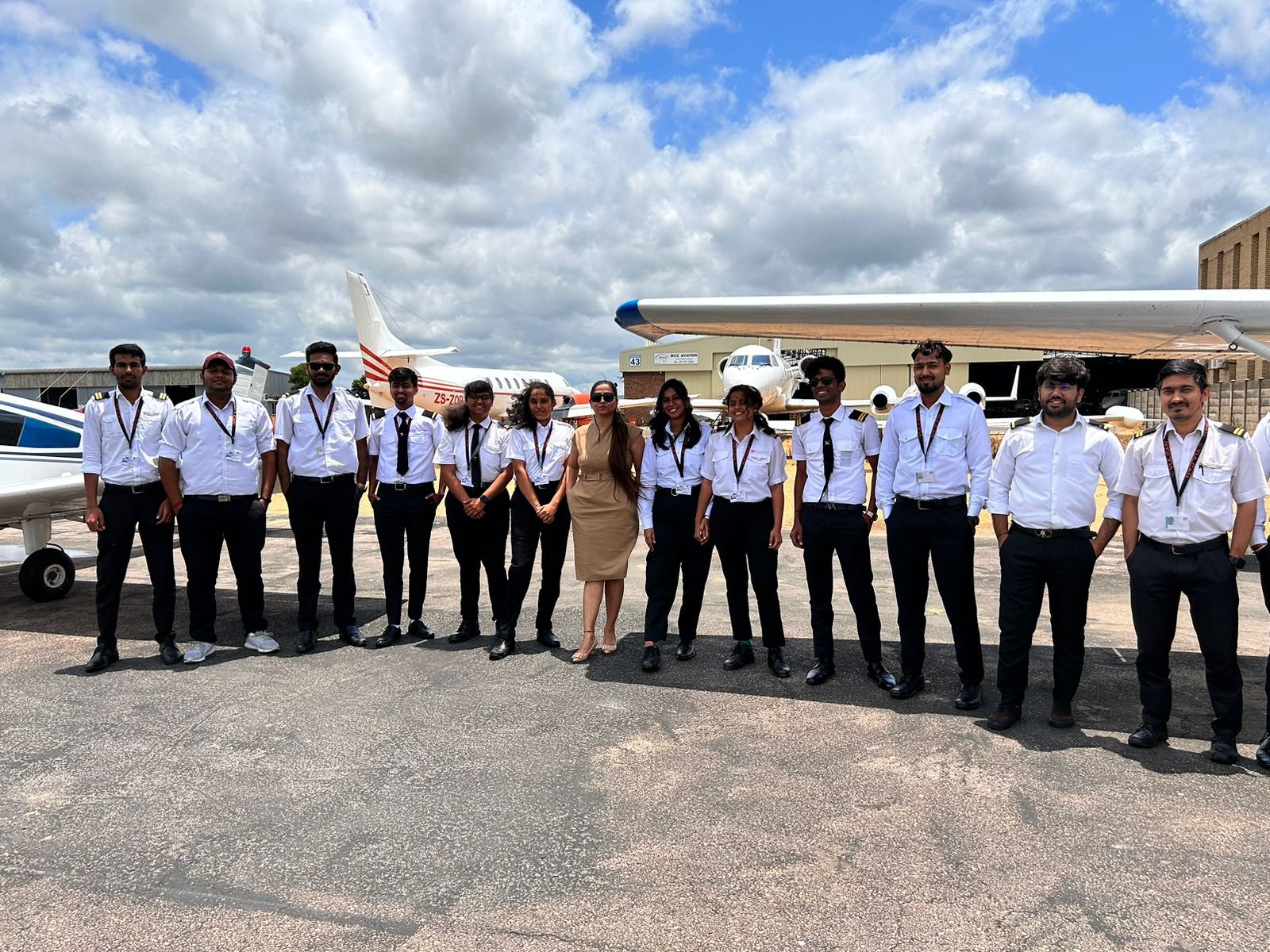
When comparing CPL vs PPL, career opportunities are one of the most important factors to consider.
A PPL is primarily designed for private flying and does not provide the same commercial privileges as a CPL. It can be an excellent choice for aviation enthusiasts, but it isn’t generally the appropriate endpoint for someone whose goal is to become an airline pilot.
A CPL, on the other hand, is designed for professional flying. It allows pilots to pursue employment opportunities where commercial flying privileges are required, subject to the applicable regulations and additional qualifications.
This difference makes the choice relatively straightforward for many students:
- Choose a PPL if you want to fly primarily for personal or recreational purposes.
- Choose a CPL if your long-term goal is to build a professional flying career.
Can You Upgrade From a PPL to a CPL?
Yes. A pilot who starts with a PPL can subsequently work toward a CPL if they decide to pursue flying professionally.
However, obtaining a PPL first does not eliminate the requirements for a CPL. You will still need to complete the additional training, flying experience, examinations, and other requirements applicable to the CPL.
There can nevertheless be an advantage to starting with a PPL for students who are uncertain about whether professional aviation is right for them.
For example, a student could begin with basic flight training, experience flying firsthand, and then decide whether they want to invest in the more extensive CPL pathway.
However, if you already know that becoming a professional pilot is your goal, starting directly with a CPL program may be more practical because the PPL would otherwise become an additional stage of training.
Which Licence Should You Choose?
Your decision should ultimately depend on your objective rather than simply the difference in course fees.
Choose a PPL if:
- You want to fly as a hobby.
- You plan to operate aircraft privately.
- You aren’t looking for a professional flying career.
- You want to experience aviation before committing to extensive training.
- You are interested in recreational flying.
Choose a CPL if:
- You want to become a professional pilot.
- You want to work for an airline.
- You want to fly charter or corporate aircraft.
- You want to pursue other commercial aviation opportunities.
- You are prepared for the higher cost and training commitment.
If your ultimate goal is to become an airline pilot, obtaining a PPL first may add time and cost to your journey unless you have a specific reason for taking that route.
PPL vs CPL: Which Is More Difficult?
Both licences require commitment and discipline, but CPL training is generally more demanding.
PPL training focuses on developing the fundamental skills needed to safely operate an aircraft privately. CPL training takes those skills further and prepares pilots for the greater responsibilities associated with professional flying.
CPL students need to demonstrate:
- Greater accuracy in aircraft handling
- Stronger navigation skills
- Instrument flying proficiency
- Better decision-making
- Deeper theoretical knowledge
- Professional communication
- Consistent adherence to procedures
The academic workload can also be greater because aspiring commercial pilots need to prepare for more extensive examinations.
However, difficulty varies from student to student. Someone comfortable with mathematics, physics, navigation, and technical subjects may find the theoretical component easier, while others may require additional preparation.
PPL vs CPL: Time Required
The duration of training depends on the student, flying school, weather, aircraft availability, instructor availability, and regulatory requirements.
A PPL generally takes less time because it involves fewer flying hours and a narrower training scope.
CPL training takes considerably longer because students need to complete additional flight training and theoretical requirements.
Students should also account for potential delays caused by:
- Poor weather
- Aircraft maintenance
- Instructor availability
- Examination schedules
- Additional flying hours
- Medical or administrative requirements
Therefore, the advertised course duration shouldn’t be the only factor when comparing flight schools.
Is a PPL Useful Before CPL Training?
A PPL can provide useful exposure to aviation and help students understand what flying actually involves.
It can allow a prospective pilot to experience:
- Aircraft handling
- Cockpit procedures
- Radio communication
- Navigation
- Flight planning & performance
- The responsibilities involved in operating an aircraft However, it isn’t necessary for every aspiring commercial pilot.
If your goal is already clear and you have the financial and academic preparation required for professional training, enrolling directly in a CPL pathway may be more efficient.
On the other hand, if you’re unsure whether you want aviation to become your career, starting with a PPL can give you practical exposure before making a larger financial commitment.
Frequently Asked Questions
1) Is CPL better than PPL?
Neither licence is universally “better.” They serve different purposes. A PPL is appropriate for private or recreational flying, while a CPL is intended for pilots pursuing professional flying careers.
2) Can a PPL holder become an airline pilot?
A PPL alone is not sufficient to become an airline pilot. A pilot pursuing an airline career would need to complete the additional training and licensing requirements applicable to commercial airline operations.
3) Is CPL more expensive than PPL?
Yes. CPL training generally costs considerably more because it requires substantially more flight training and additional theoretical and practical requirements.
4) Can I start with PPL and later get CPL?
Yes. A PPL holder can pursue additional training and meet the requirements for a CPL. However, if your goal is already to become a professional pilot, starting directly with a CPL program may be more efficient.
5) Which licence should I choose if I want to become an airline pilot?
If your goal is an airline career, the CPL pathway is generally the appropriate route. You should also research the additional requirements, such as a type rating, that may apply to your target airline and aircraft.
Conclusion
Understanding CPL vs PPL is essential before investing in flight training. Although both licences teach you how to operate an aircraft, their purpose, training requirements, cost, and career opportunities are substantially different.
A PPL is primarily suited to people who want to fly privately or pursue aviation as a recreational interest. It offers an introduction to flying without the extensive financial and training commitment associated with professional pilot licensing.
A CPL is designed for those who want to make flying their profession. It involves more extensive flight training, theoretical examinations, and practical assessments and can serve as the
foundation for careers in airlines, charter operations, corporate aviation, cargo, and other commercial flying sectors.
Cost should also play a role in your decision. While PPL training is considerably less expensive, it doesn’t provide the same professional career pathway as a CPL. If you already know that your objective is to become an airline pilot, starting with the appropriate CPL training pathway may help you avoid unnecessary additional training.
Ultimately, the right choice depends on why you want to learn to fly. If flying is a passion or hobby, a PPL may be enough. If you want to turn that passion into a profession, a CPL is the more relevant qualification.
Before enrolling, check the latest DGCA requirements, compare approved training organisations, understand the complete fee structure, and consider the long-term career and financial commitment involved.