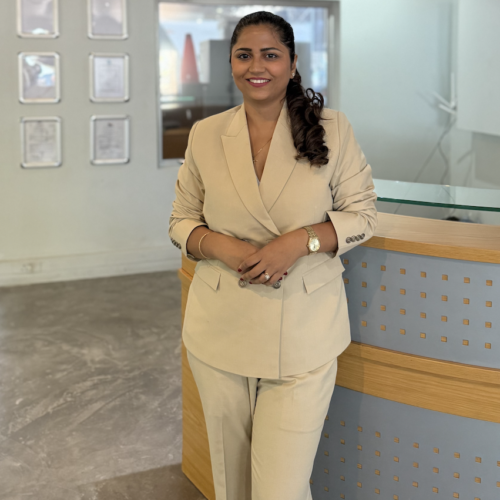
Wondering how to become a female pilot after 12th in India? You need to meet the educational and medical requirements, complete the required examinations and flight training, and obtain a Commercial Pilot Licence (CPL) from the Directorate General of Civil Aviation (DGCA). The licensing pathway is broadly the same for women and men. You can explore flying schools in India or train abroad, as long as you understand the applicable licensing requirements.
Becoming a commercial pilot takes planning, commitment and a substantial financial investment. Understanding the process before enrolling can help you compare schools, estimate the total cost and make informed decisions with your family.
How can a girl become a pilot after 12th?
To become a commercial pilot after Class 12, you must meet the educational requirements, obtain the required medical clearance, complete the applicable examinations and flight training, and qualify for a CPL. Your training route and timeline depend on your qualifications, flying-school availability, examination progress and finances.
Here is the broad route:
- Complete Class 12: You generally need Physics and Mathematics at the required level for the commercial pilot licensing pathway.
- Check your medical eligibility: Consult the appropriate DGCA-authorised medical examiner about the required assessment.
- Complete registration and examinations: Follow the current DGCA process for flight crew candidates and the applicable examinations.
- Choose a suitable flying school: Compare approval status, training facilities, aircraft, instructors, safety procedures and costs.
- Complete ground school and flight training: Study the required subjects and complete the prescribed flying experience and checks.
- Obtain your CPL: Apply once you have satisfied all applicable licensing requirements.
- Explore airline opportunities: Airlines may require additional ratings, aircraft-specific training, assessments and selection stages.
Read our step-by-step guide to becoming a pilot in India for a broader overview of the licensing route.
If you are exploring pilot training in Delhi, GetWings Aviation can help you understand the training options it currently offers and the next steps to investigate. Confirm the availability, scope and cost of any specific course directly with the team before enrolling.
Women pilots in India today
Women are already working as pilots in India, and government data provides a useful picture of their participation in aviation. According to the Ministry of Civil Aviation information published by the Press Information Bureau, women accounted for 15% of pilots in India as of June 2025. This is a dated industry statistic, not a prediction of an individual student’s employment prospects.
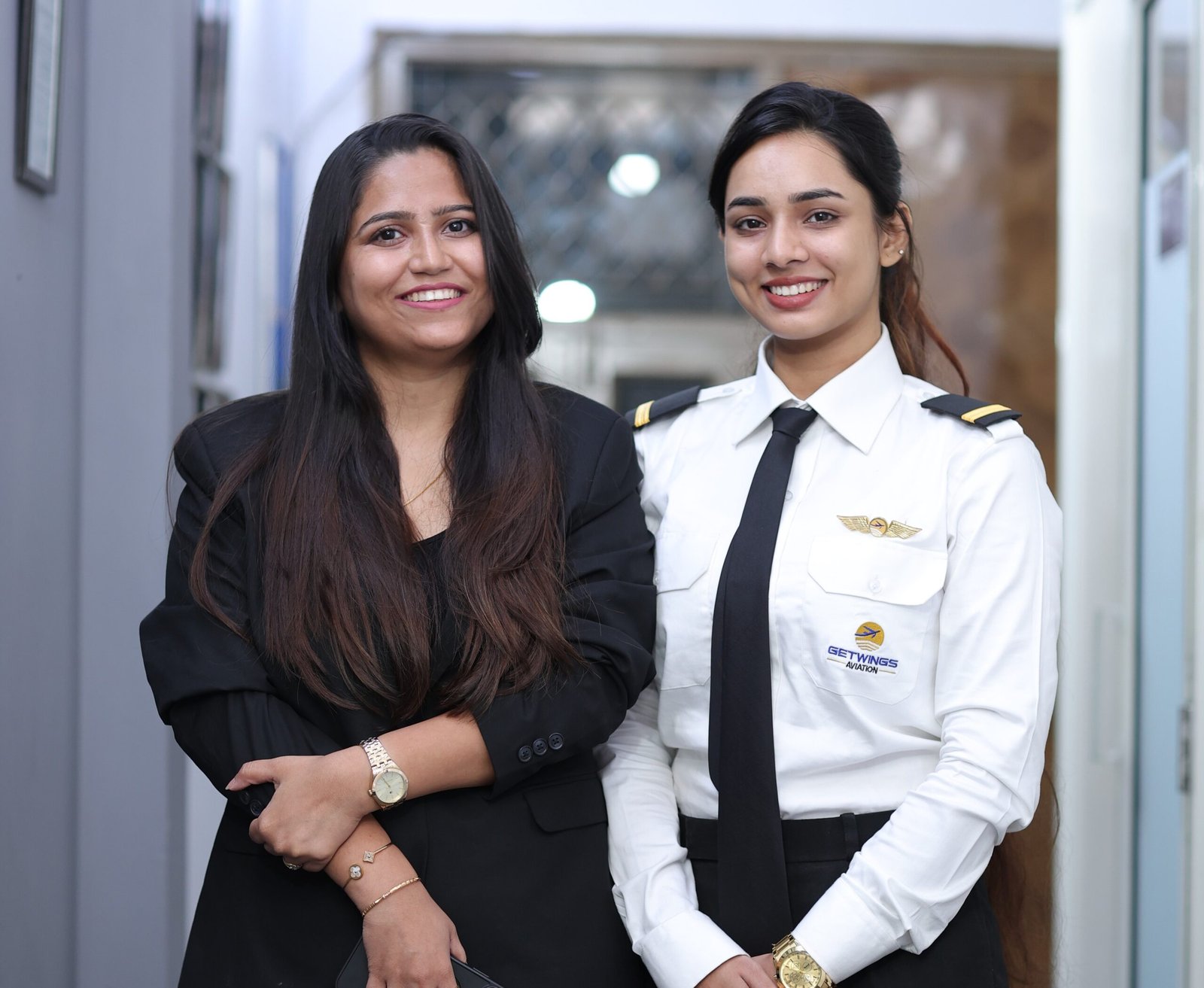
In 2023, women received 294 of the 1,622 Commercial Pilot Licences issued in India, accounting for 18% of the total, according to a Ministry of Civil Aviation announcement published in February 2024.
Source: Government data on women’s participation in aviation
For anyone searching for women pilot in India, the important point is that women can pursue the same professional licensing pathway. Progress depends on meeting the requirements, developing flying skills and qualifying for the roles they apply for.
Aviation requires discipline, sound judgement, technical understanding, communication and a strong commitment to safety. You do not need to fit a particular personality stereotype to explore this career.
Eligibility and pilot age limit in India
The first step in understanding how to become a female pilot after 12th is checking your educational qualifications, age and medical eligibility. DGCA’s Pariksha FAQs state that flight crew examination candidates outside the Private Pilot Licence (PPL) category must have passed Class 12 with Physics and Mathematics, or an equivalent qualification. Check the official DGCA Pariksha FAQs for the applicable rules.
What to study to become a pilot after 12th
Physics and Mathematics are the key school subjects to check first. If you have already studied both in Class 12, verify that your board and qualifications meet the current requirements. If you have not, investigate recognised ways to complete the subjects before committing to a training programme.
English, numerical reasoning and the ability to understand technical information are also useful during ground school, examinations and flight training.
Can a commerce student become a pilot?
Yes, a commerce student may be able to pursue commercial pilot training if they meet the required Physics and Mathematics qualifications. The stream name alone does not determine eligibility. For example, Air India’s cadet pilot eligibility criteria state that applicants who did not take Physics and Mathematics in Class 12 may complete the subjects at the required level through the National Institute of Open Schooling (NIOS).
This is an example of a programme’s published criteria, not a guarantee that every flying school or airline follows identical admission rules. Confirm your accepted qualification route with the DGCA and your chosen programme before enrolling.
What is the pilot age limit in India?
The DGCA Pariksha FAQ states that there is no maximum age limit for registering as a flight crew examination candidate. That statement concerns examination registration; it does not guarantee that every course, cadet programme or airline job has no upper age limit. Check the applicable requirements for your intended route.
For an airline career, also review the airline’s additional educational, medical and selection criteria. Meeting the minimum licensing requirements does not automatically guarantee employment.
Medical requirements for women
Women and men must meet the applicable DGCA medical fitness requirements for the licence and privileges they seek. Medical eligibility should be assessed through the appropriate aviation medical process rather than guessed from online checklists or other pilots’ experiences.
Before committing to substantial training fees:
- Review the latest DGCA medical guidance.
- Confirm the correct examination and medical certificate requirements for your stage of training.
- Discuss personal medical concerns with the appropriate DGCA-authorised medical examiner.
- Keep your medical documents and follow any instructions for additional assessments.
DGCA published revised guidance concerning Class 1, Class 2 and Class 3 medical assessments in July 2025, with the revised guidelines taking effect from 1 September 2025. Always check for subsequent updates before relying on older information.
Medical fitness is a regulatory requirement, not a judgement about whether someone is naturally suited to flying. If you have a specific concern, seek advice from an authorised aviation medical professional.
Step-by-step pilot training process
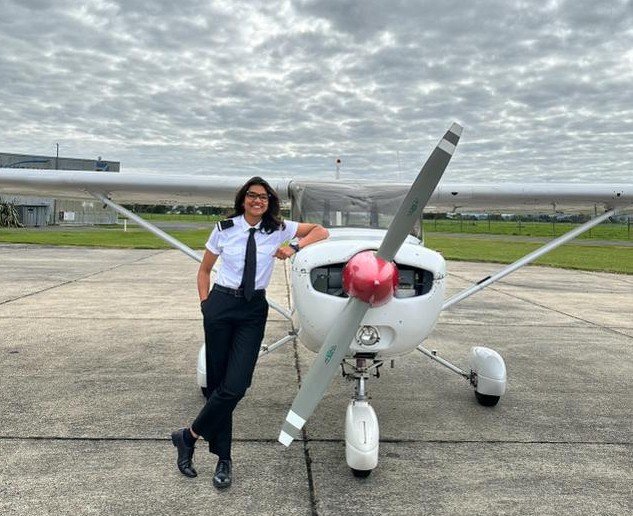
The next stage in learning how to become a female pilot after 12th is choosing a suitable training route and completing the required ground and flight training. Students may train in India or consider a school abroad, but the school, qualification, total cost and applicable Indian licensing requirements should be checked before a deposit is paid.
| Stage | What it involves | Indicative timing or what to verify |
| Education | Meet the required Class 12 subject qualifications | Complete before applying, or confirm an accepted route to obtain missing subjects |
| Medical | Complete the required aviation medical assessment | Timing depends on appointments and any additional assessments |
| Registration and examinations | Complete the applicable DGCA registration and examinations | Check current procedures, examination dates and fees |
| Ground training | Study the required theoretical subjects | Ask the school for its schedule and examination support |
| Flight training | Complete the required flying experience and checks | Depends on aircraft availability, weather, instructor capacity and progress |
| Licence application | Submit evidence that licensing requirements are met | Depends on documentation and regulatory processing |
| Further training and airline selection | Meet additional requirements for the roles pursued | Varies by airline and training pathway |
Indicative timeline: Some structured cadet programmes publish an average of around 1.5 years to complete CPL course requirements, although individual results vary. Air India publishes this estimate for its own programme; it should not be treated as a guarantee for every flying school. Delays can extend the overall timeline.
Source: Air India cadet pilot eligibility and programme information.
Before choosing a school, check its current DGCA approval and published ranking information. The DGCA website publishes regulatory information, while its Flying Training Organisation ranking notice explains the ranking framework.
Ask each school about its training capacity, aircraft availability, instructor support, extra-hour charges and what happens when training takes longer than expected.
GetWings Aviation offers DGCA ground classes in Delhi and training on a Cessna 172 G1000 simulator to help students build familiarity with cockpit instruments and procedures.
Training costs, scholarships and loans
Commercial pilot training requires a substantial budget, and the total cost varies by school, training location, aircraft, accommodation, examinations, travel and additional training. Compare the full cost of completing the qualification—not just the advertised course fee – before deciding where to enrol.
For reference, the fees listed below are based on the information published on IGRUA’s official website.
| Cost item | Published information or planning question |
| IGRUA course fee | ₹55 lakh, as listed on its official course page |
| Additional items at IGRUA | Approximately ₹2.5 lakh for items such as uniform and study material |
| Delays or extra training | Ask how additional flying hours and extensions are charged |
| Examinations and licence fees | Check the latest charges and what is included |
| Accommodation and food | Obtain current costs for the full expected training period |
| Travel and visa | Add these if you choose training abroad |
Source: IGRUA’s official course fees.
Note: These figures relate to IGRUA and are not a national average or a quotation for GetWings or another flying school. Fees and additional charges can change.
Are scholarships available for women?
Scholarships may be available through specific institutions or government schemes, depending on eligibility. Do not assume that every woman entering aviation qualifies for financial support. Check the scheme’s current rules, application dates, income or category criteria, and whether it covers flying fees or only certain expenses.
IGRUA states that it does not offer a general training-fee subsidy or relaxation and directs eligible candidates to the National Scholarship Portal for specified category-based scholarship guidelines. Read IGRUA’s financial assistance information before making funding assumptions.
Can you take an education loan for pilot training?
Loan approval depends on the lender, course, institution and applicant’s financial circumstances. Before accepting an offer, compare the interest rate, processing fees, collateral requirements, repayment start date and treatment of training delays. Do not build your budget on the assumption that a loan will be approved.
Training abroad: safety and accommodation
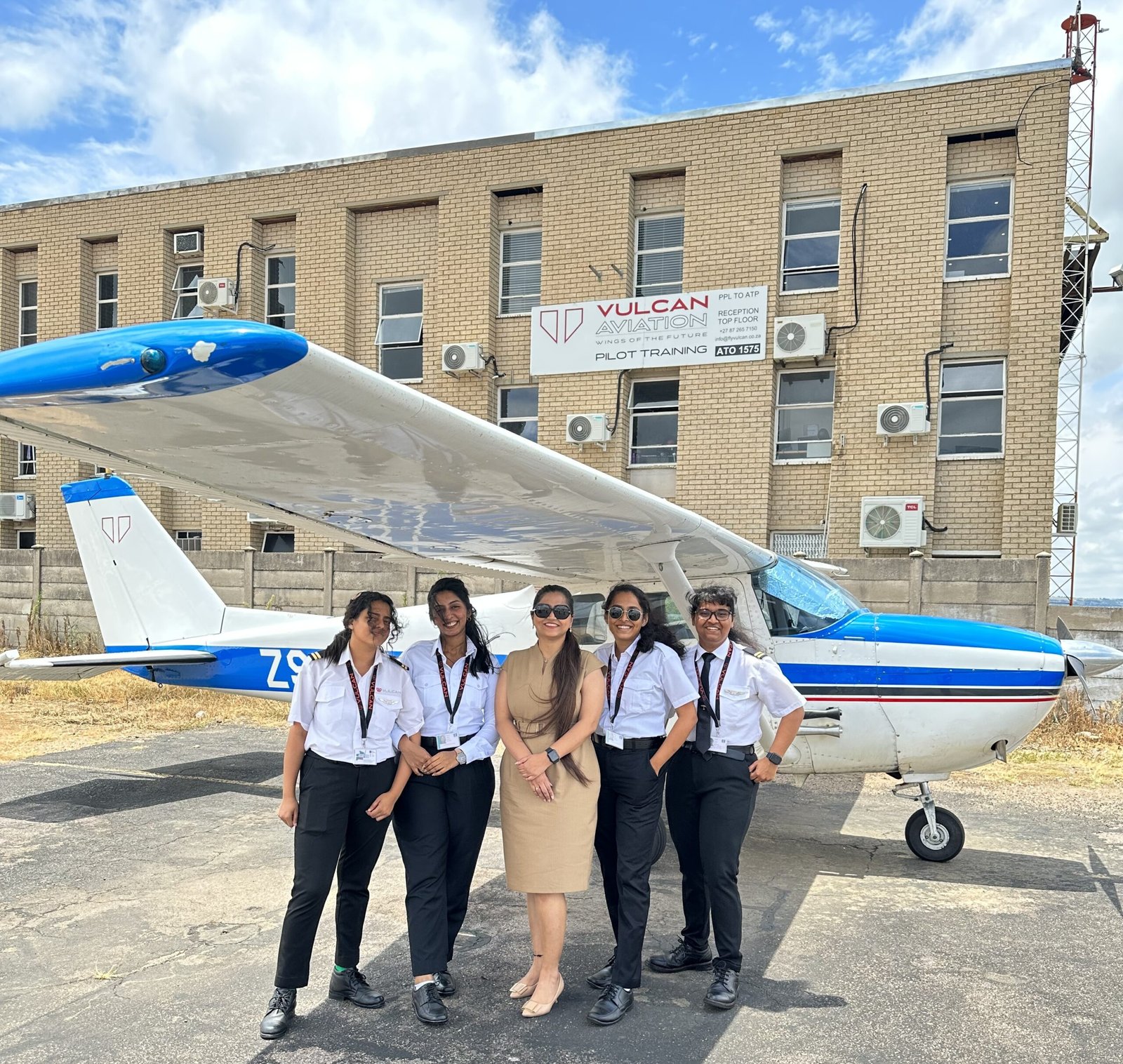
Training abroad can be an option for aspiring pilots, but choosing a country is only one part of the decision. Evaluate the school’s approval status, training record, aircraft availability, accommodation, local transport, insurance and support arrangements. No destination or school should be described as automatically safe; families should assess the specific arrangements before committing.
Before paying a deposit, ask the school:
- Which aviation authority oversees the training, and what approval does the school hold?
- How will the qualification be recognised, and what requirements will apply if you return to India?
- Is accommodation arranged by the school or independently?
- Are accommodation, meals, transport and deposits included in the quote?
- Who can be contacted in an emergency, including outside class hours?
- How many aircraft and instructors are available, and what happens if training is delayed?
- What is the refund policy if a visa is refused or you cannot start?
- What steps are required to meet Indian DGCA requirements after returning?
Get important answers in writing. Review the contract, itemised fees, accommodation terms, insurance and refund conditions before paying.
Students planning to return to India should verify the applicable DGCA licensing and conversion requirements before enrolling. A foreign qualification should not be assumed to convert automatically into an Indian licence. Start with the DGCA regulations and guidance portal and seek clarification from the regulator where necessary.
You can also explore flying destinations as part of your research, but compare individual schools and their terms rather than choosing solely by country.
Airline careers, maternity and work-life considerations
A CPL is an important milestone, but it does not guarantee an airline job. Airline recruitment may involve additional ratings, aircraft-specific training, assessments, medical checks, experience requirements and selection stages. Employment is competitive, so understand the full route from training to the role you want.
Policies on maternity leave, rostering, return-to-work arrangements and other benefits vary by airline and may change. For example, Air India’s published pilot careers page lists maternity or surrogacy leave and other parental benefits, including a stated 26-week period, alongside a return-to-work programme subject to availability. These are Air India-specific published benefits, not universal terms for every airline.
Source: Air India’s pilot careers and benefits.
Marriage does not automatically prevent someone from pursuing a pilot career. Pregnancy, medical fitness and returning to flying duties involve applicable medical requirements and employer policies. If these issues are relevant to your plans, consult the appropriate medical professional and check the current policies of the airline or employer you are considering.
Frequently asked questions
1. Is pilot training safe for girls abroad?
Pilot training abroad can be an option for women, but safety depends on the school, location, accommodation and support arrangements. Check the school’s approval, transport, insurance, emergency contacts and accommodation terms. Speak to the school directly, review the contract and get important details in writing before paying fees.
2. Are there scholarships for women who want to become pilots in India?
Scholarships may be available through specific institutions or government schemes, depending on eligibility requirements. Check official scholarship portals and flying-school financial assistance pages for current opportunities. Some schemes have income, category or other requirements and may not cover the full cost of pilot training. Never assume funding is guaranteed.
3. Is the medical examination different for women pilots?
Aspiring commercial pilots must meet the applicable DGCA medical fitness requirements. If you have questions about a medical condition or your eligibility, consult the appropriate DGCA-authorised aviation medical examiner and review the latest official guidance. Do not rely on general online advice to decide whether you qualify for a pilot licence.
4. Can I become a pilot after marriage or pregnancy?
Marriage does not automatically prevent someone from pursuing a pilot career. Pregnancy, medical fitness, leave and returning to flying duties involve applicable medical requirements and employer policies. Check current DGCA guidance and the policies of your intended airline or employer, as benefits and operational arrangements can differ.
5. What is the minimum height required to become a female pilot in India?
Do not assume one minimum-height figure applies to every pilot training programme and airline role. Check the current DGCA medical requirements and the published eligibility criteria for any specific cadet programme you are considering. If height is a concern, confirm the applicable requirement with the relevant authority or programme before paying fees.
6. Can a commerce student become a commercial pilot in India?
Yes, a commerce student may be able to pursue commercial pilot training if they meet the required Physics and Mathematics qualifications and all other eligibility conditions. If you did not study these subjects in Class 12, check whether you can complete them through a recognised route accepted by the DGCA and your chosen programme.
7. What should I study to become a pilot after 12th?
You generally need to meet the required Class 12 Physics and Mathematics qualifications for the commercial pilot licensing route. You must also complete the applicable medical assessments, examinations and flight training. Check the latest DGCA rules and your chosen flying school’s entry criteria before enrolling.
8. What is the pilot age limit in India?
The DGCA Pariksha FAQ states that there is no maximum age limit for registering as a flight crew examination candidate. The minimum age for a CPL is generally 18 years. Course, cadet programme and airline employment criteria can differ, so check the current requirements for your intended route.
Plan your next step with GetWings Aviation
If you’re exploring how to become a female pilot after 12th, start by checking your subject eligibility, medical requirements and budget. Then compare training options, ask questions about approval and training timelines, and verify the full cost before making a commitment.
Get in touch with GetWings Aviation to ask about its currently available training guidance and course options.